Bear Lake is a natural freshwater lake on the Idaho–Utah border and is split about equally between the two states.
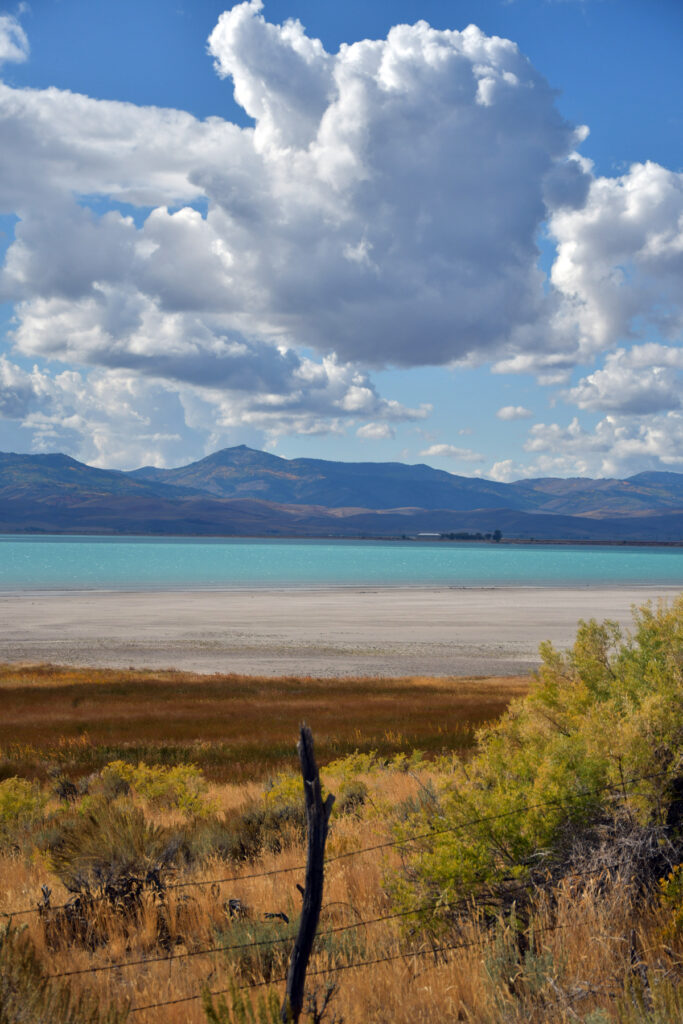
The lake has been called the “Caribbean of the Rockies” for its unique turquoise-blue color, which is due to the refraction of calcium carbonate (limestone) deposits suspended in the lake.
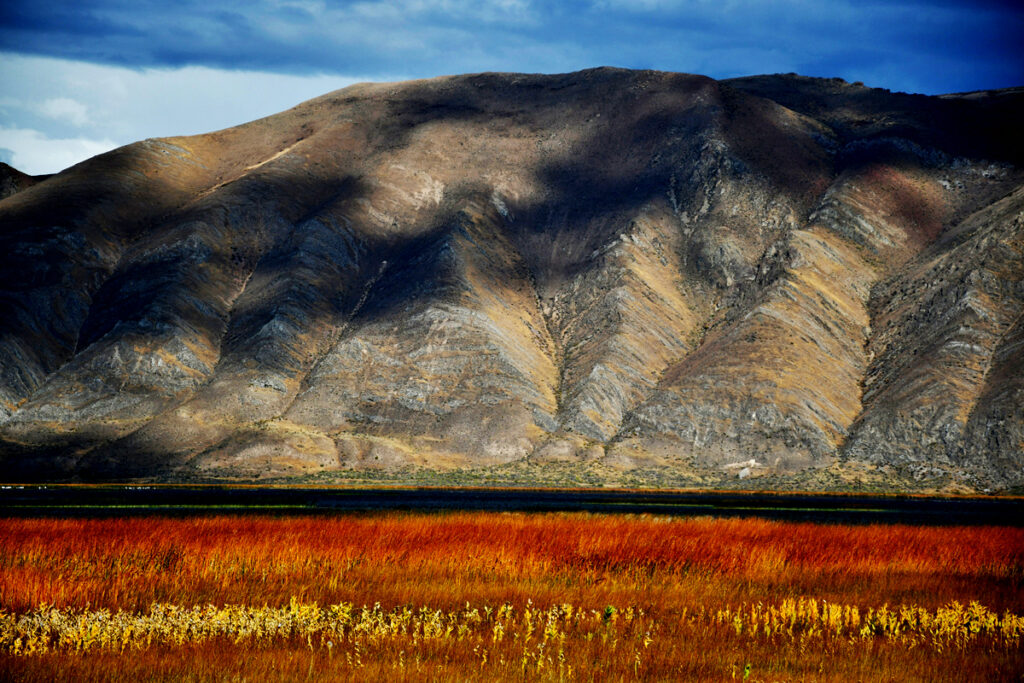
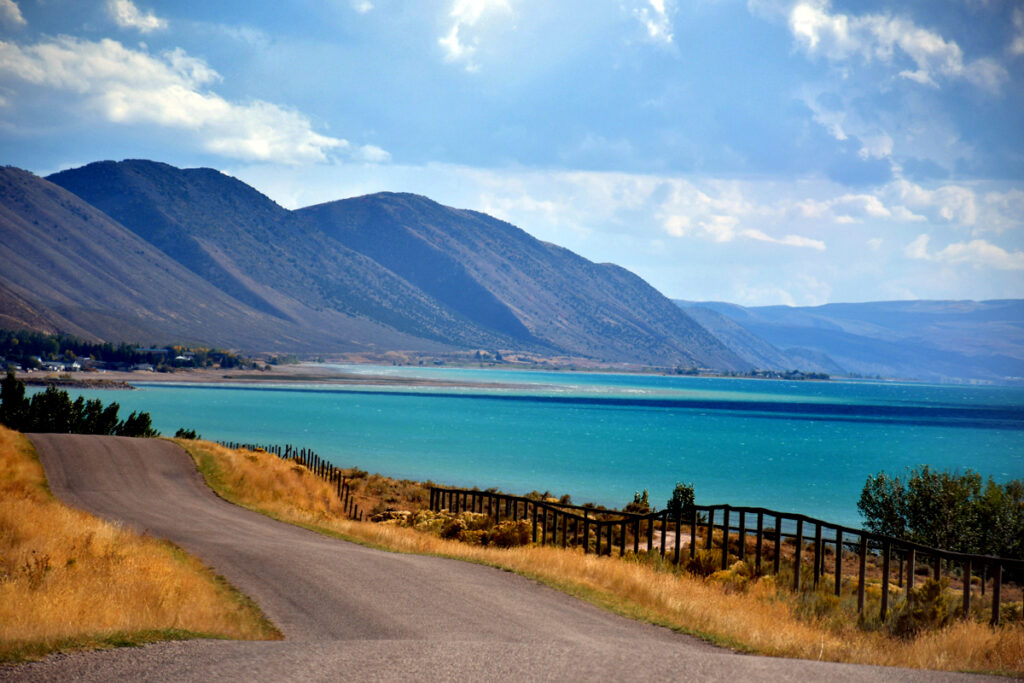
Bear Lake is over 250,000 years old and was formed by fault subsidence that continues today, slowly deepening the lake along the eastern side.
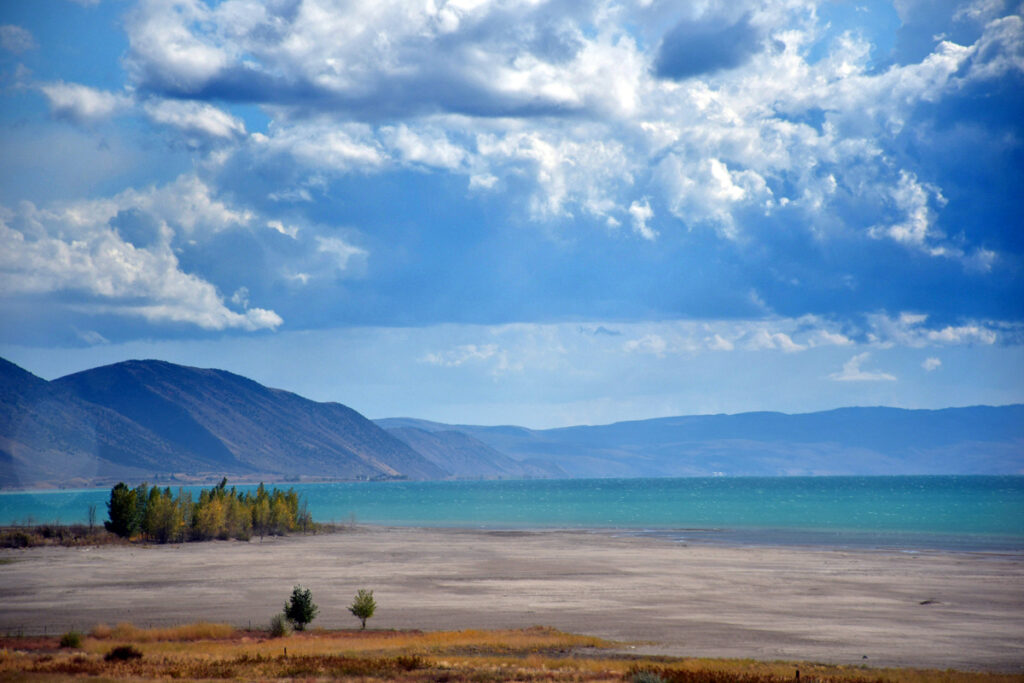
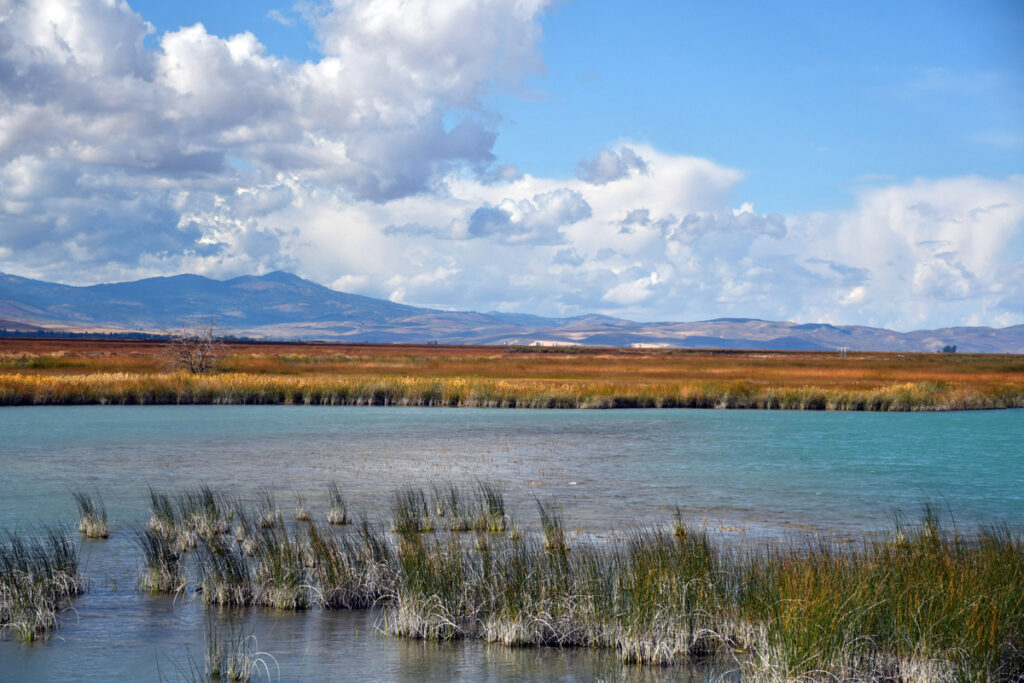
Originally named “Black Bear Lake” by Donald McKenzie, an explorer for the North West Fur Company who explored the lake in 1819, the name was later shortened to Bear Lake. Following his exploration of the lake, Mckenzie held what is known to be the largest rendezvous of Native Americans to take place in the Rocky Mountains. Nearly 10,000 American Indians from various tribes camped along seven miles of Bear Lake’s north shore trading with Mckenzie and his trapping company.
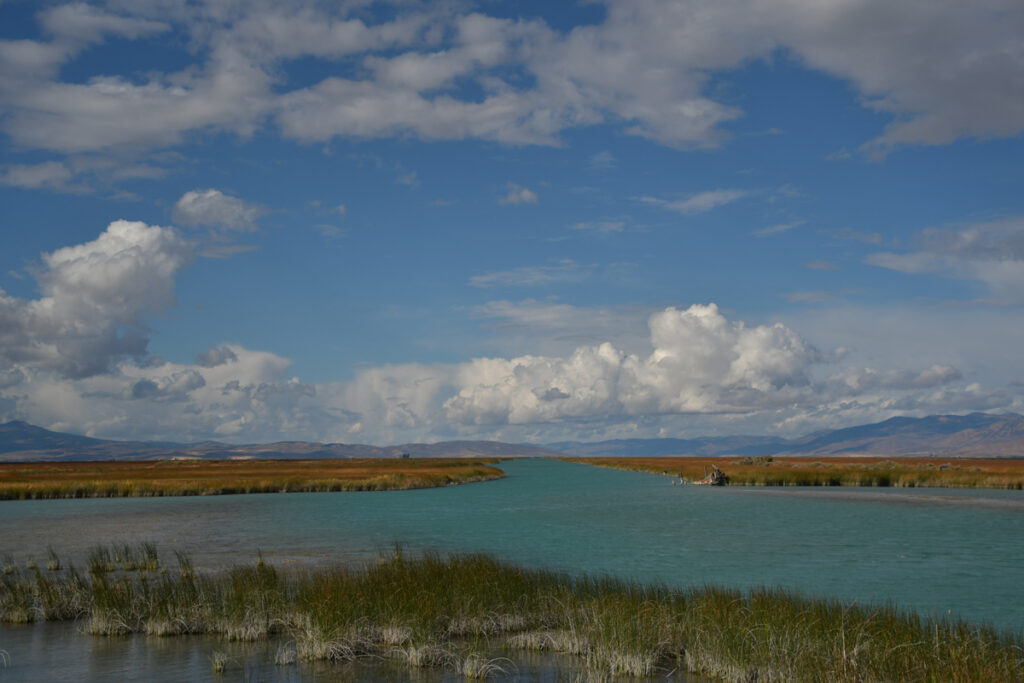
The south end of the lake in present day Utah was also the location of two of the annual Rocky Mountain Rendezvous in the summers of 1827 and 1828. Mountain men, including Jedediah Smith and Jim Bridger, gathered at this location, along with trade goods suppliers and American Indians from several different tribes. The mountain men and Indians sold their furs in exchange for various store goods and supplies, and several weeks were spent reveling in assorted amusements and liquor.
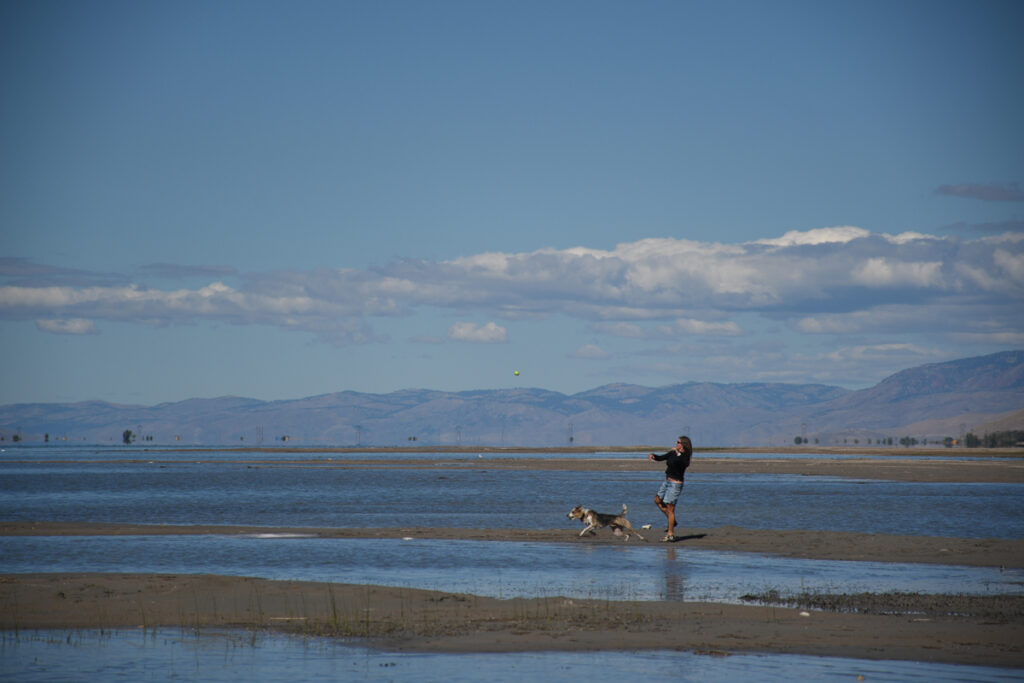
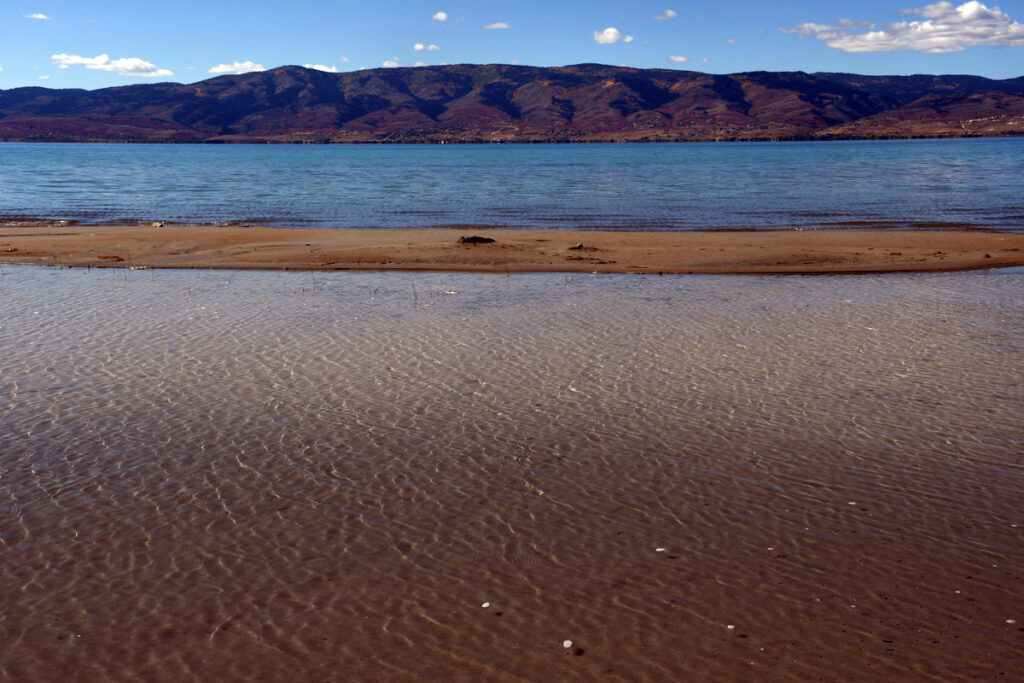
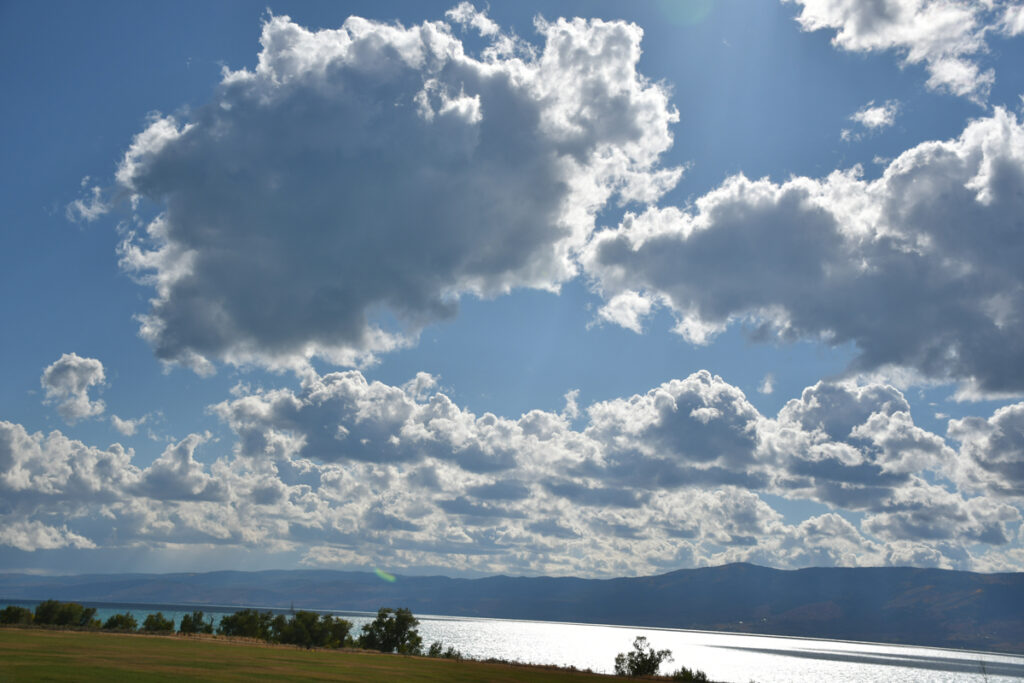
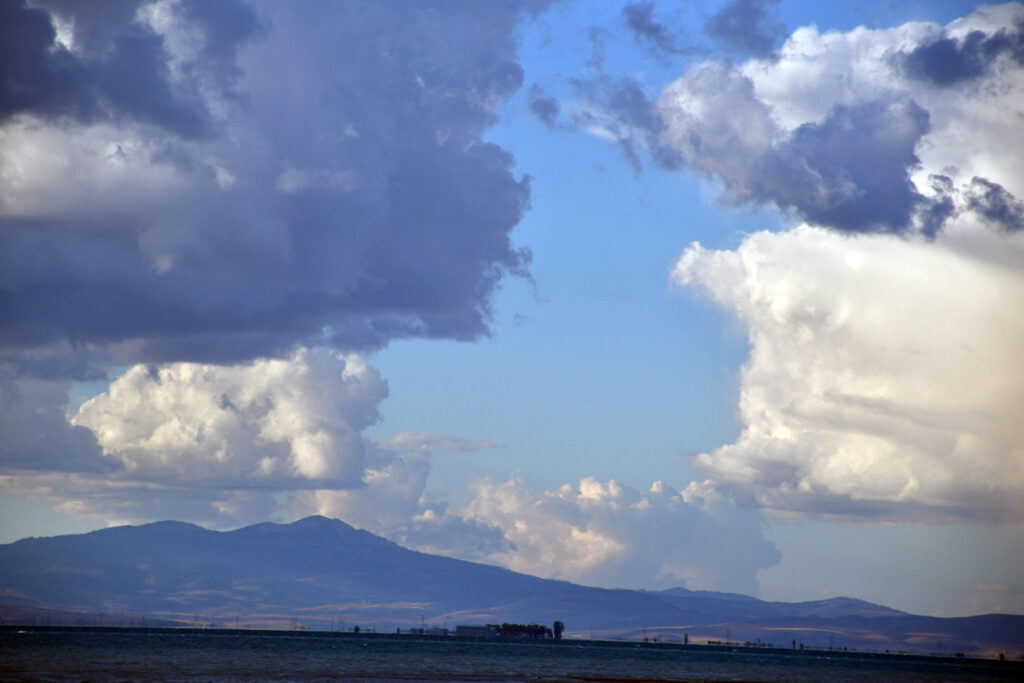
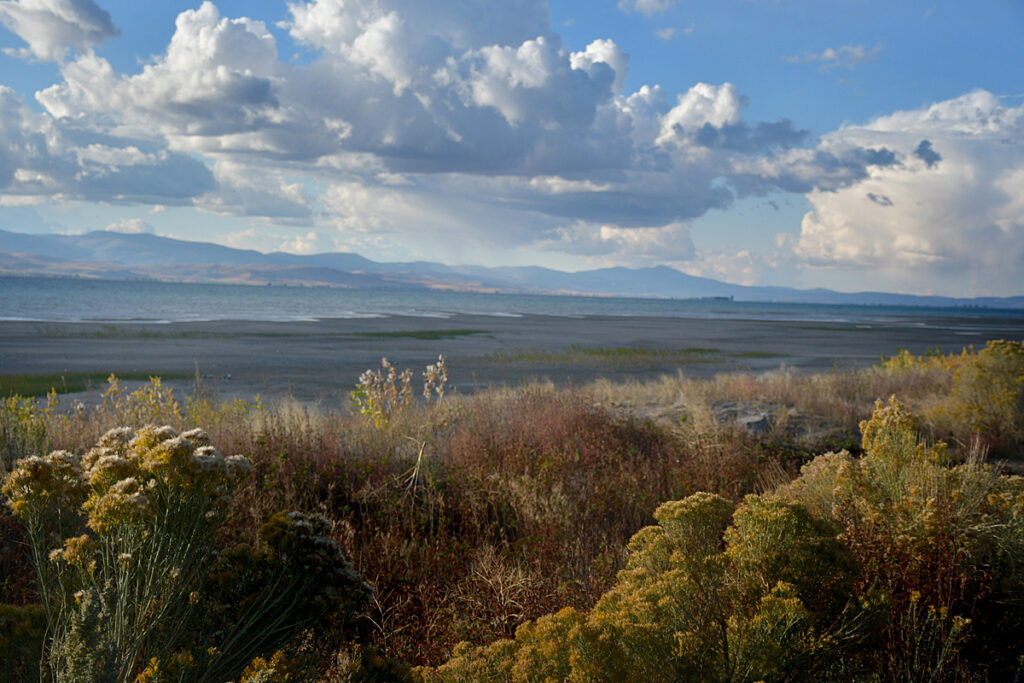
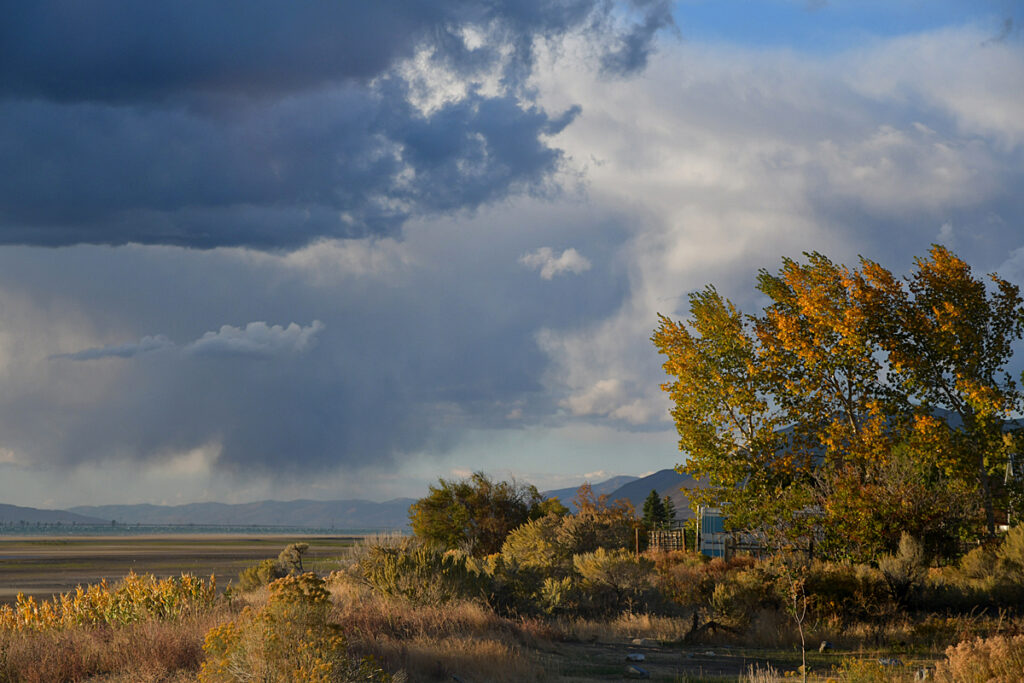
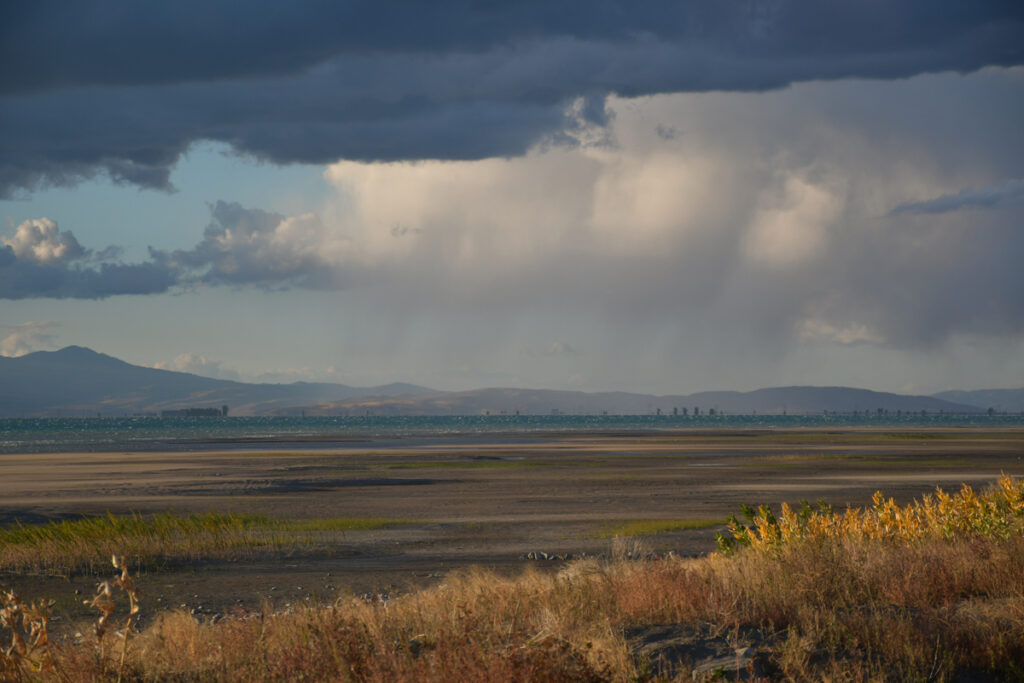
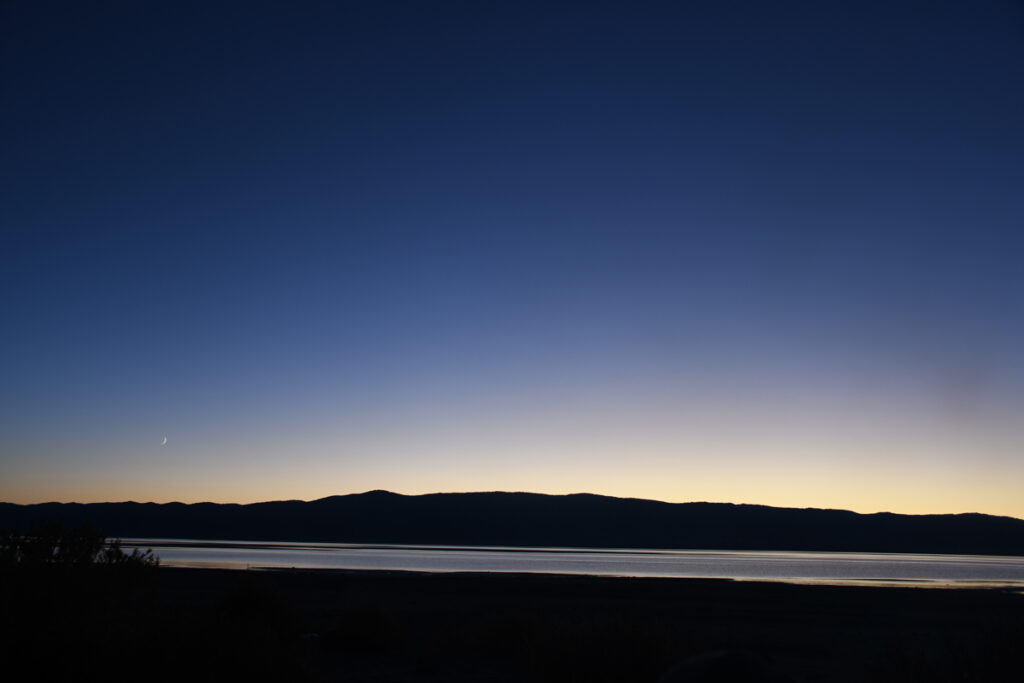
In late September the lake is low and devoid of visitors who throng its shores during the summer.


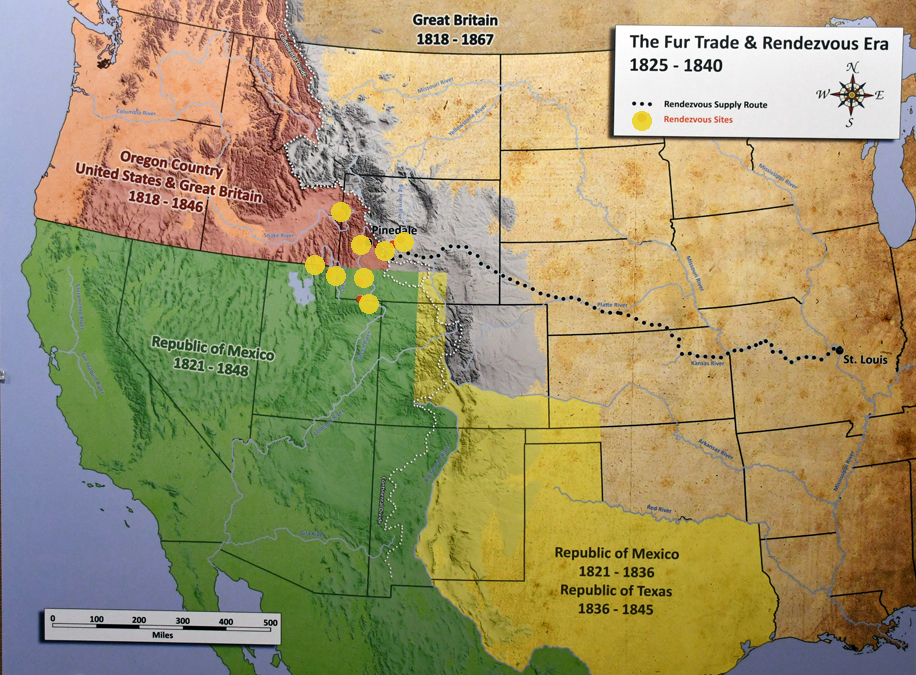
This journey from Bear Lake to Flaming Gorge to the Tetons crossed many of the Mountain Men “rendezvous” points along rivers where they caught Beaver along what was later the Oregon Trail. The yellow dots represent these late summer rendezvous points and are roughly the area covered in these posts (Bear Lake, Flaming Gorge, Tetons)
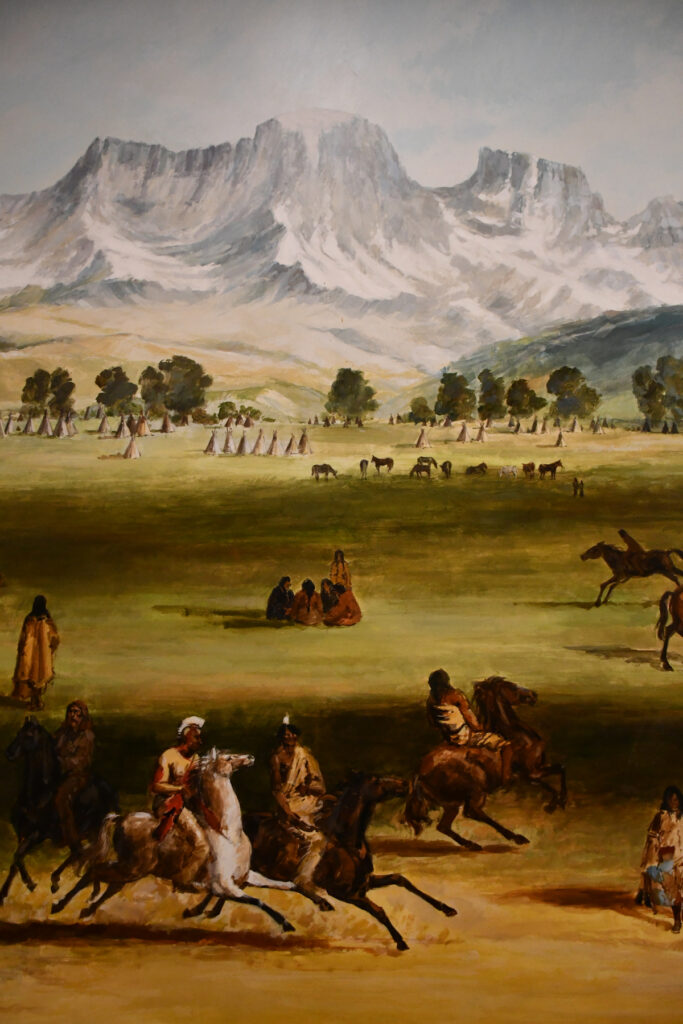
Above– The Rendezvous Near Green River Oregon Territory 1837 by Alfred Jacob Miller
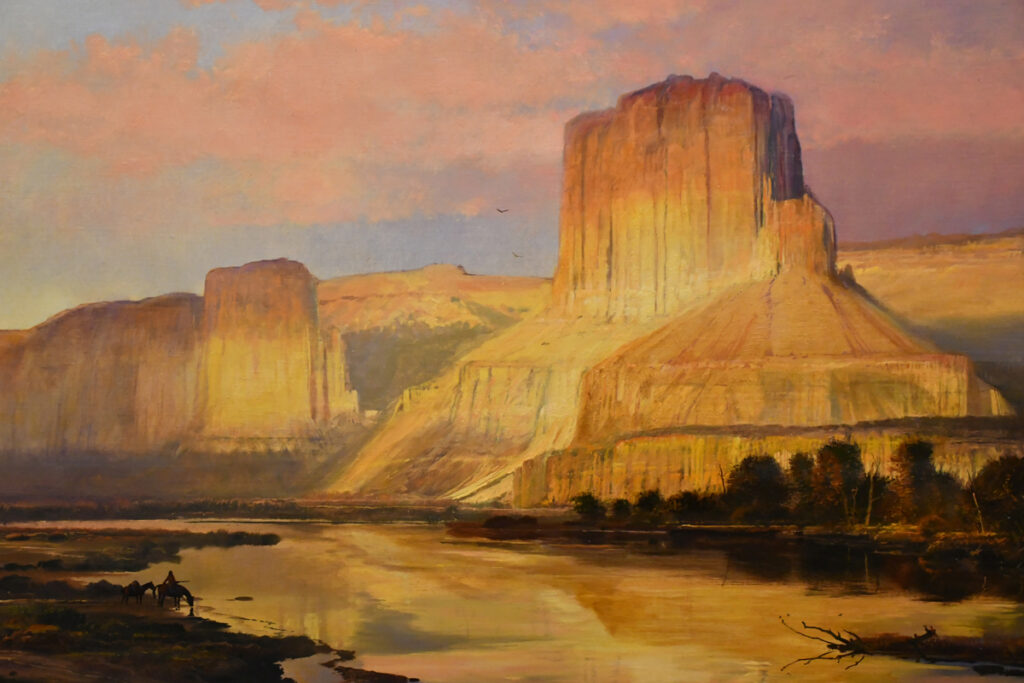
Green River Mountain Man-Michael Coleman b.1946
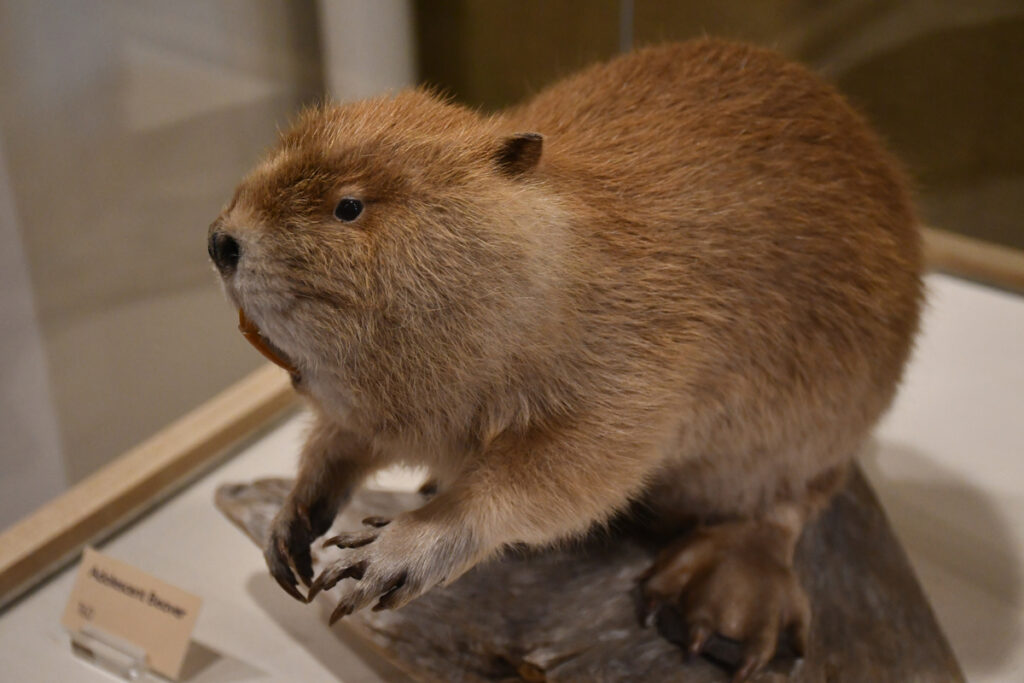
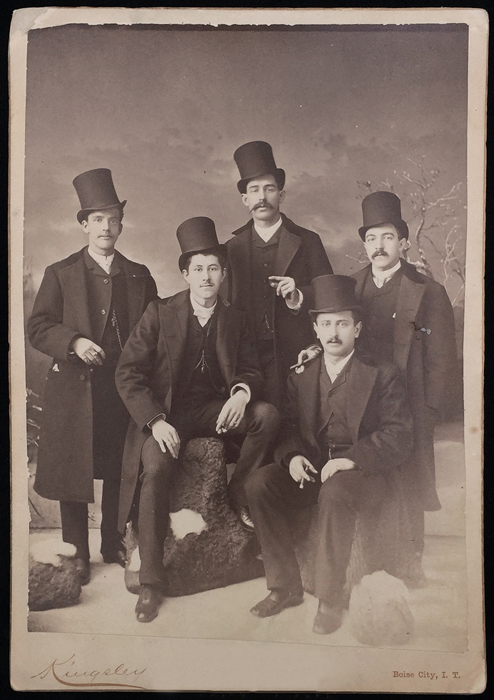
One early reason for the Mountain Man was the fashion for Beaver hats. They were fashionable across much of Europe during the period 1550–1850 because the soft yet resilient material could be easily combed to make a variety of hat shapes including the familiar top hat.
The population of the Beaver was saved from extinction only because the fad shifted to the silk hats.