PALACIO DE DUENAS
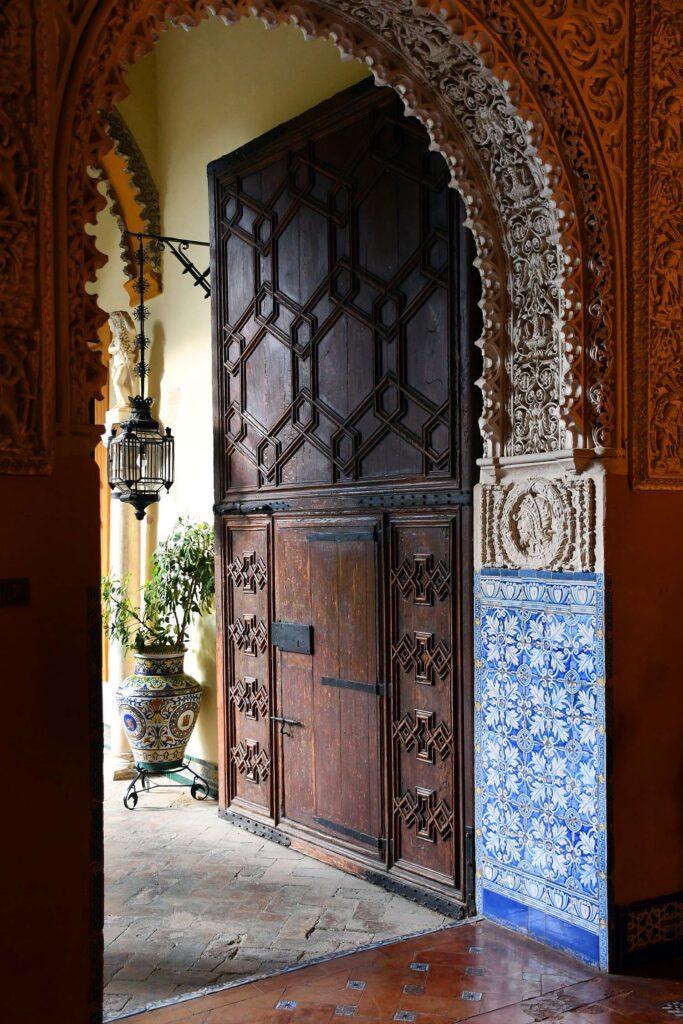
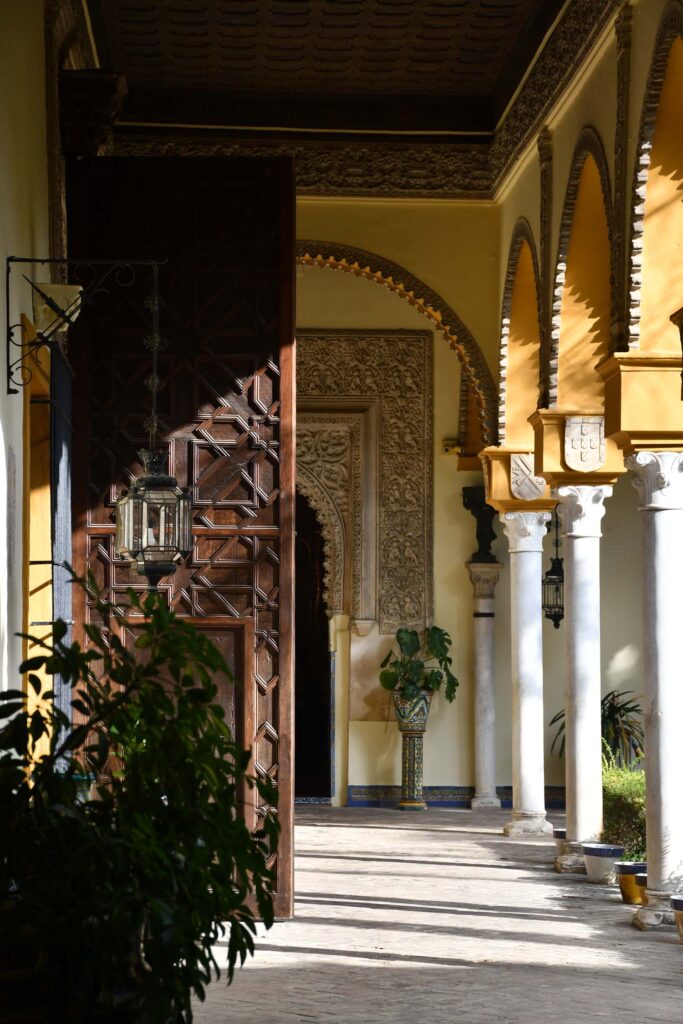
The palace’s name derives from the monastery of Santa María de las Dueñas, which in 1248 was known to house nuns and servants of Saint Ferdinand and Alfonso X the Wise. The monastery was in the palace’s periphery and was destroyed in 1868. The palace itself was constructed in the late 15th century, a time associated with a robust economy in the area, which included the construction of the Alcazar Real and the Casa de Pilatos.. It was built by the Pineda family, Lords of Casabermeja, however since then it has changed hands many times and is currently in the Alba family who open it to the public.
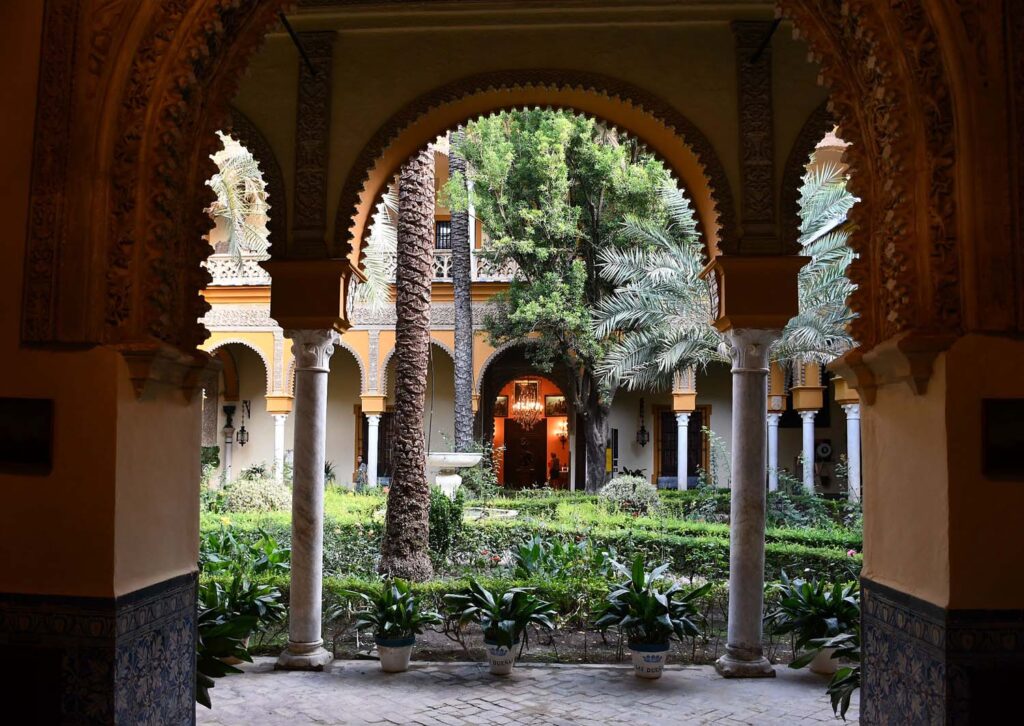
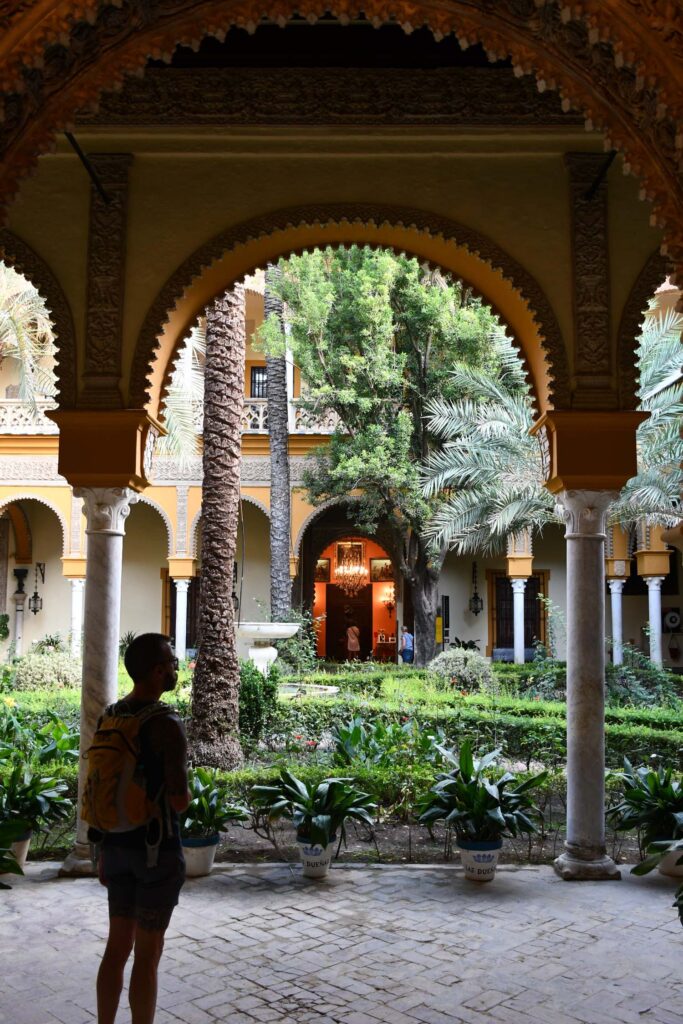
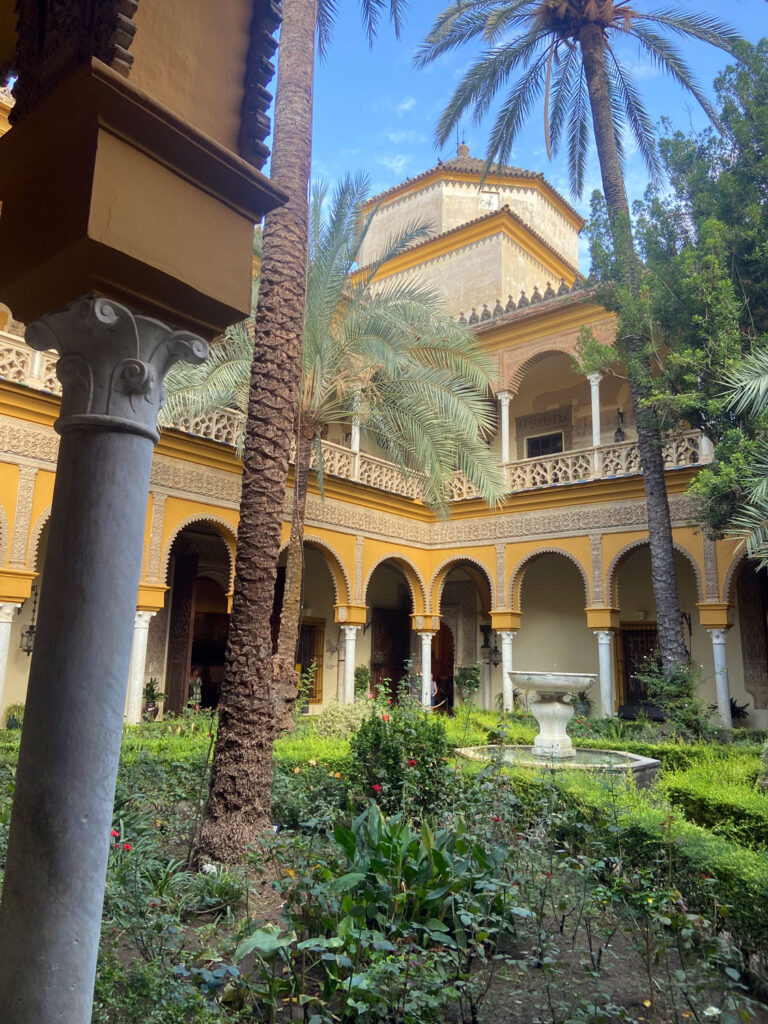
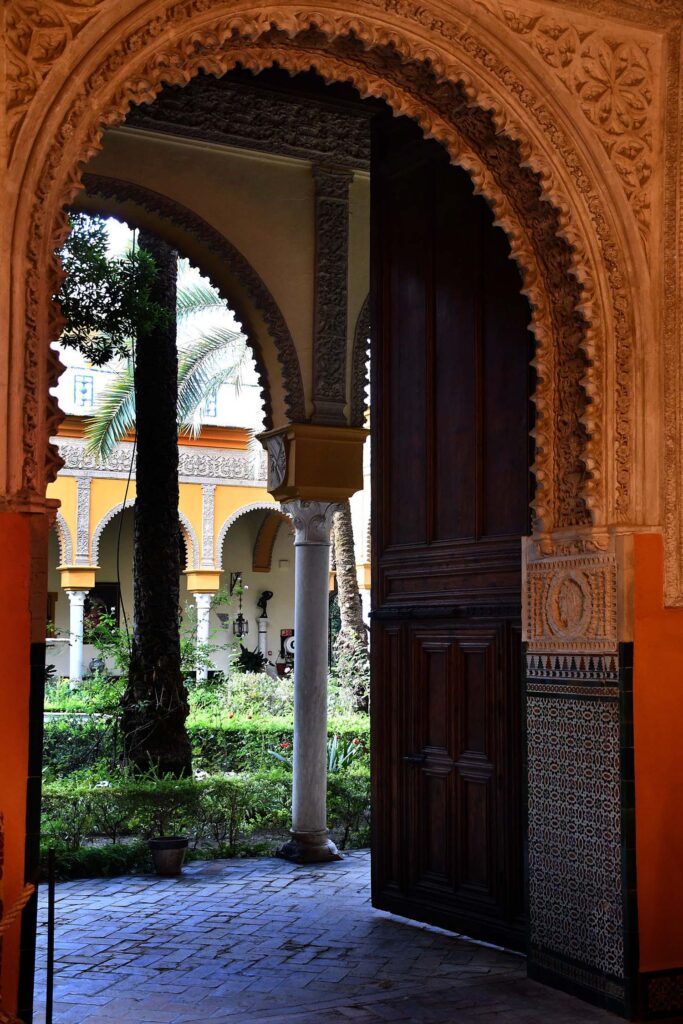
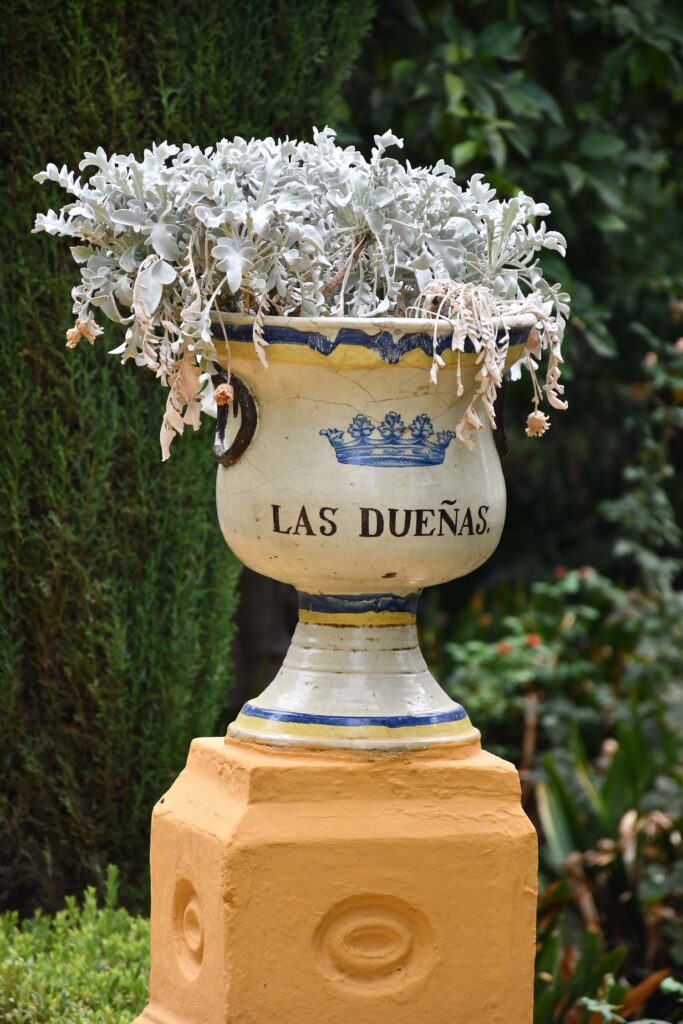
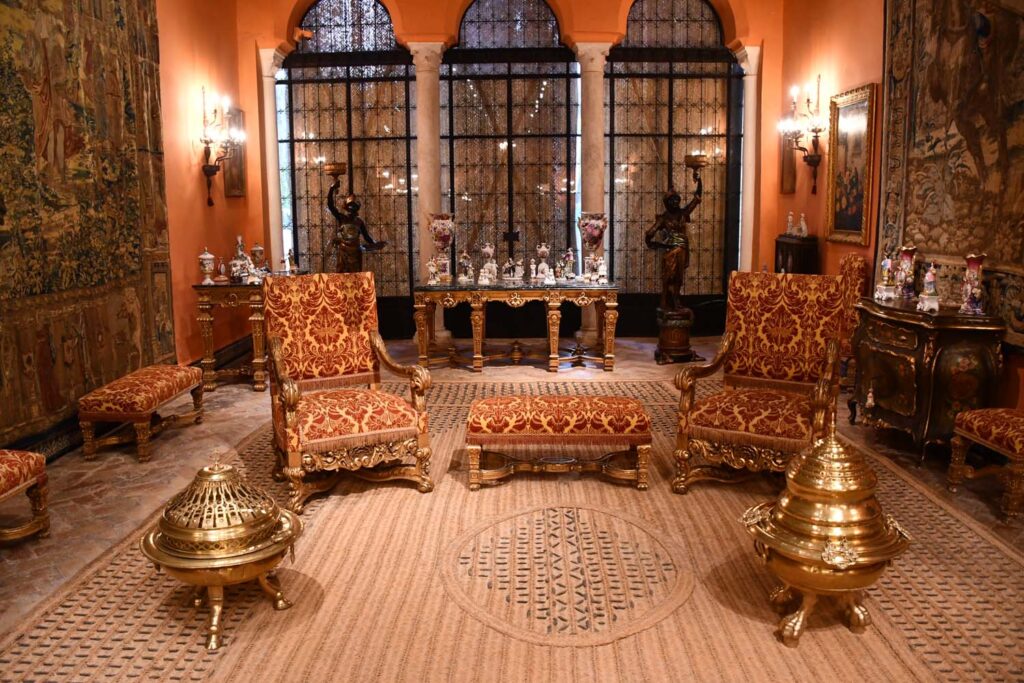
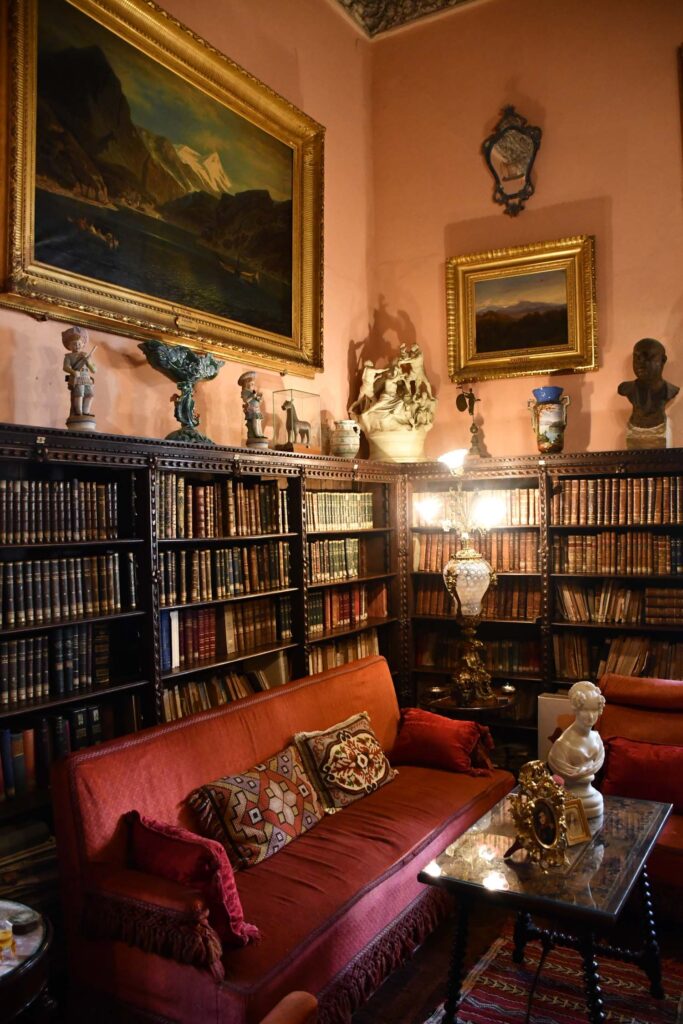
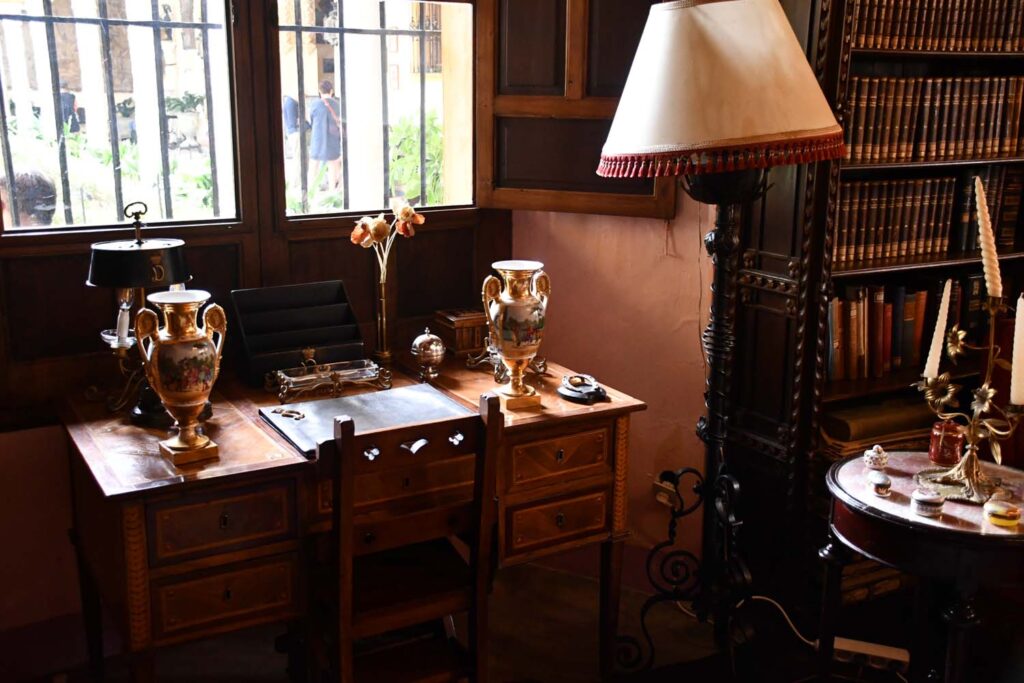
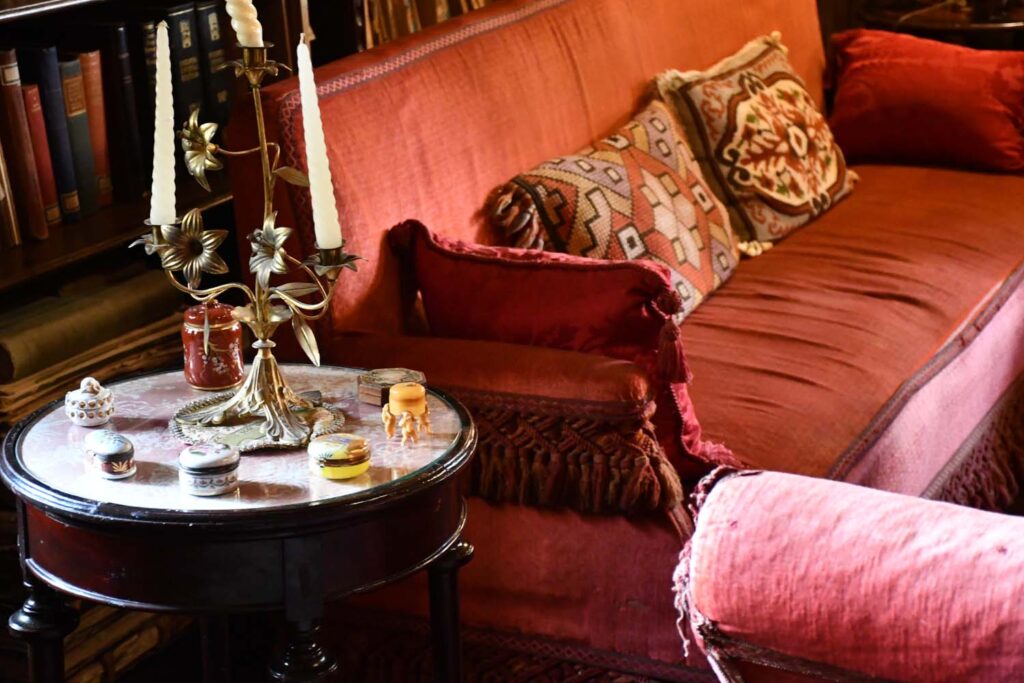
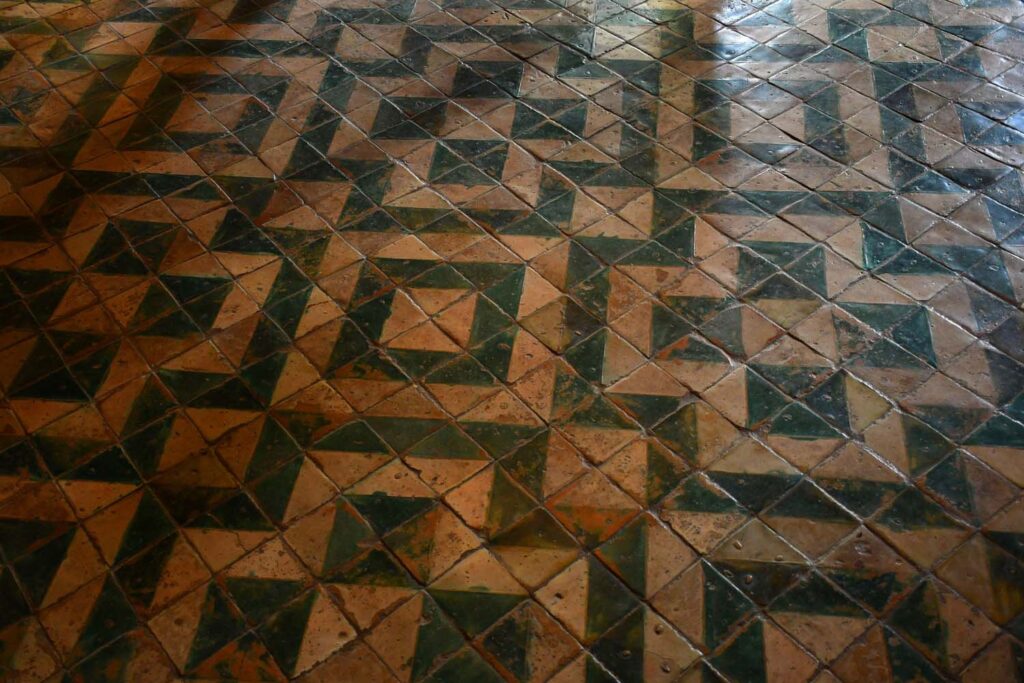
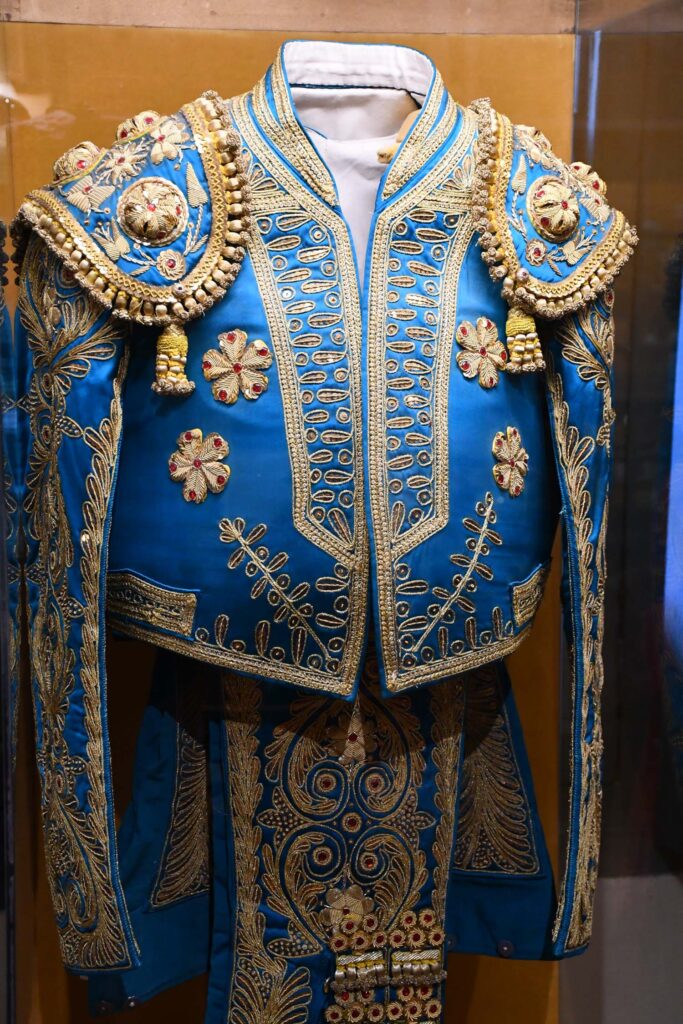
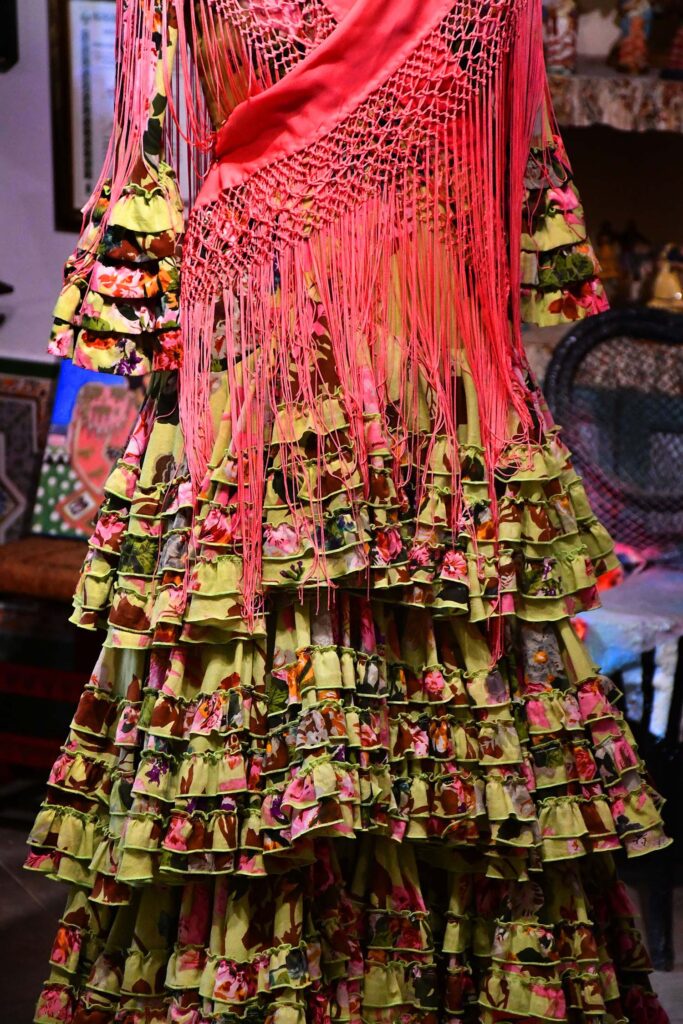
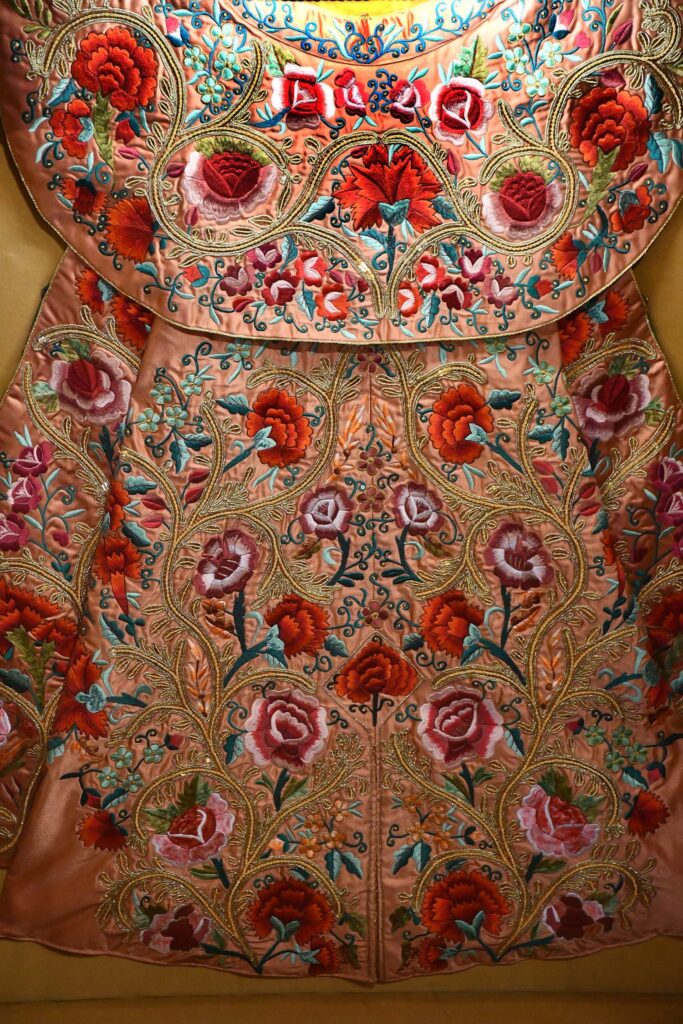
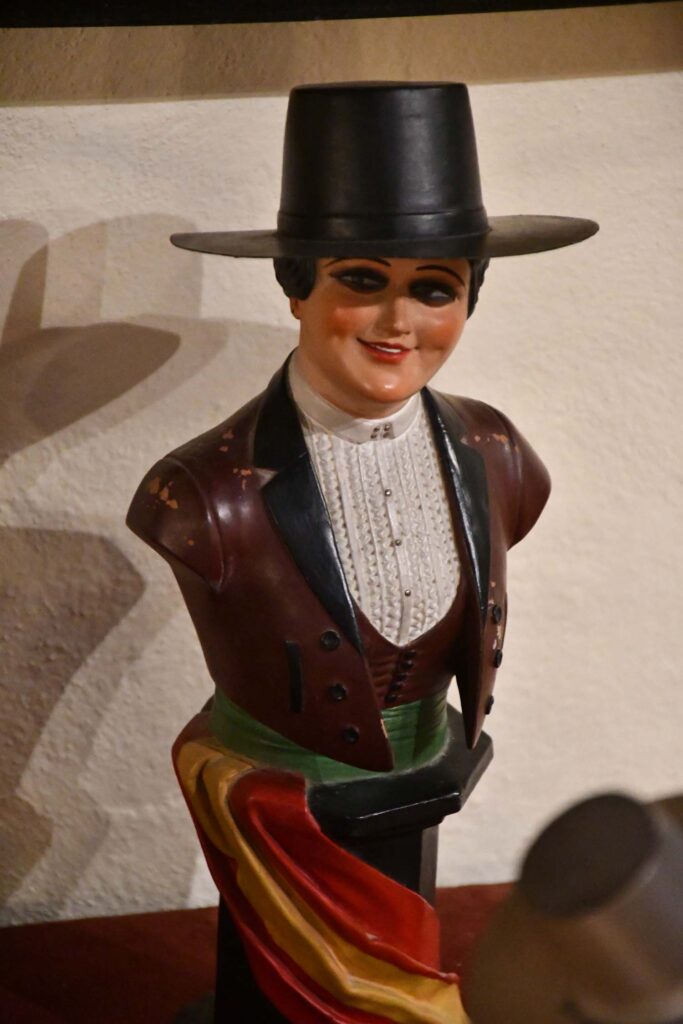
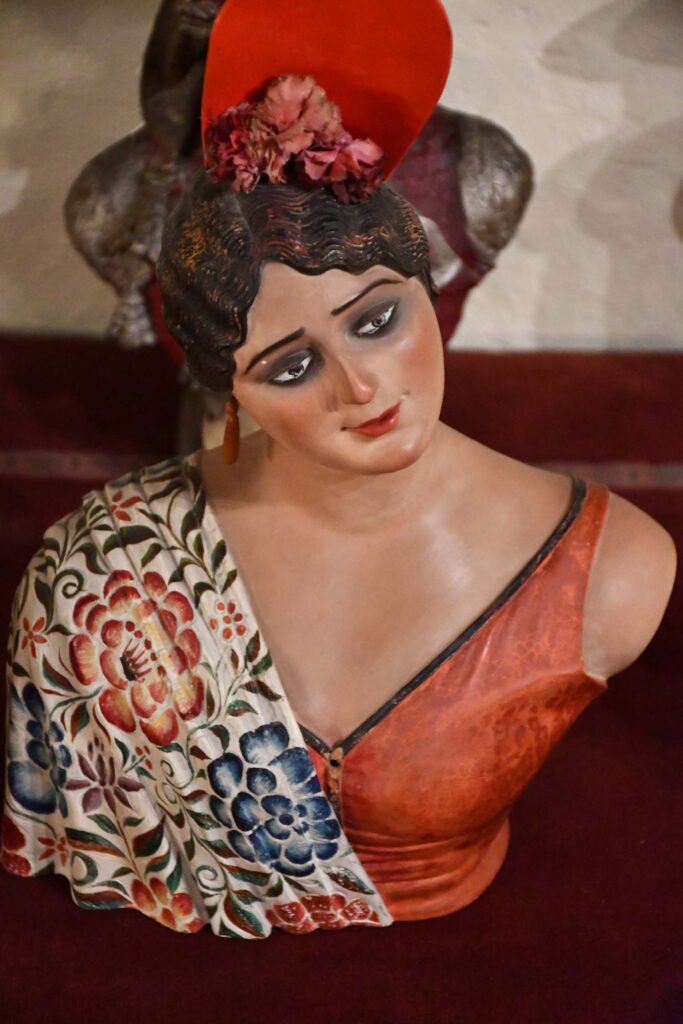
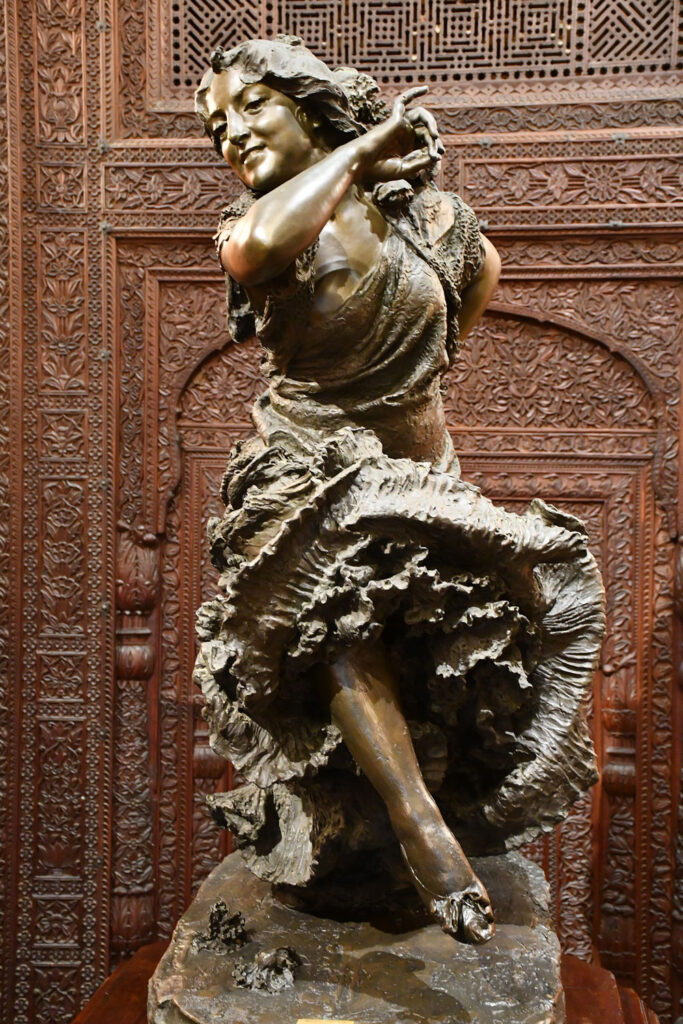
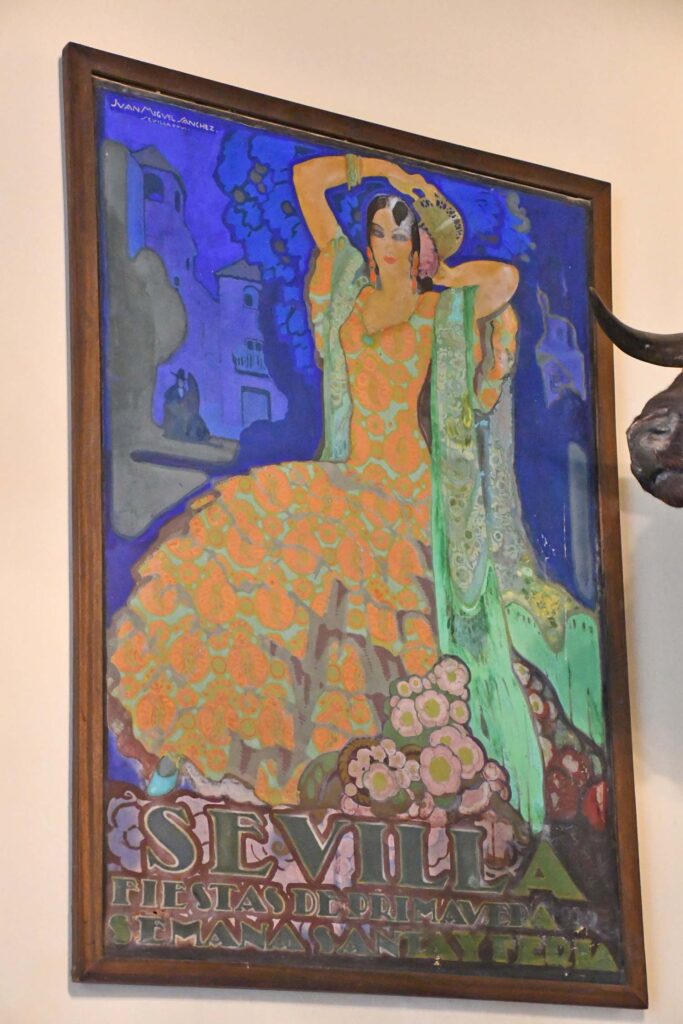
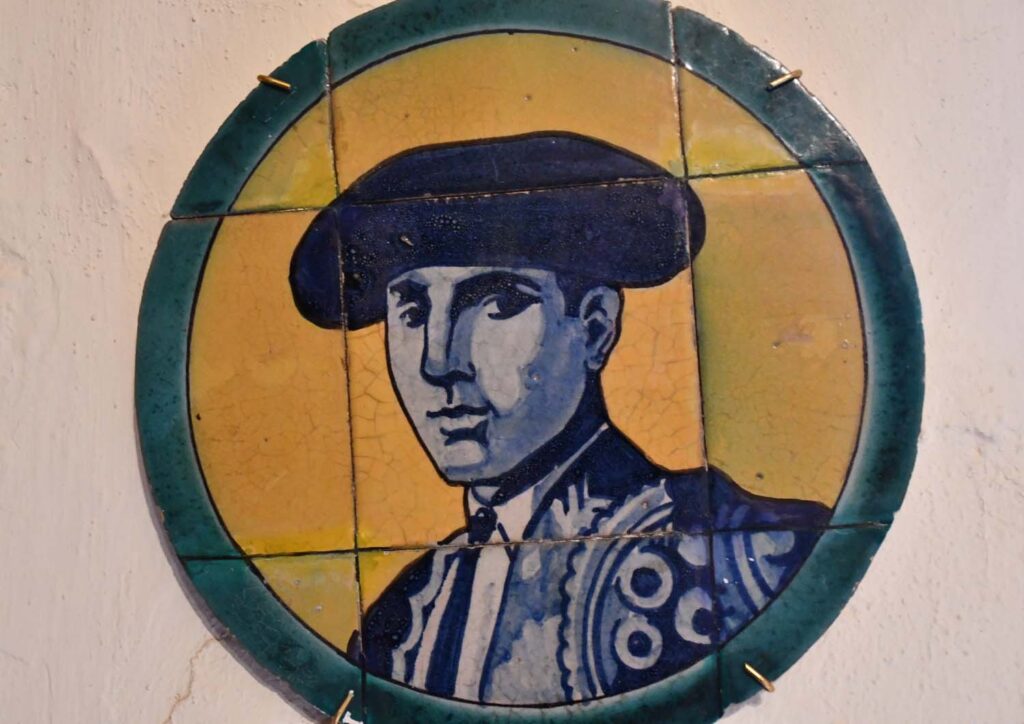
Many bullfighting items in their collection.
SANTA PAOLA MONASTERY
It’s a short walk from the Palacio de Duenas and is also known as the Convent of Santa Paula, is one of the city’s most important historic convent complexes. Its location connects it with the old route of Calle Real, today Calle San Luis, which linked the Macarena Gate with the area of the Royal Alcázars.
The new monastery was blessed on 8 June 1475, when the founder moved there with a group of twelve nuns. Since then, the monastery has remained in use, preserving the main elements of a female cloistered convent: entrance courtyards, church, porter’s lodge, cloisters, refectory, infirmary, kitchens, sala de profundis, gardens, former orchards and auxiliary rooms.
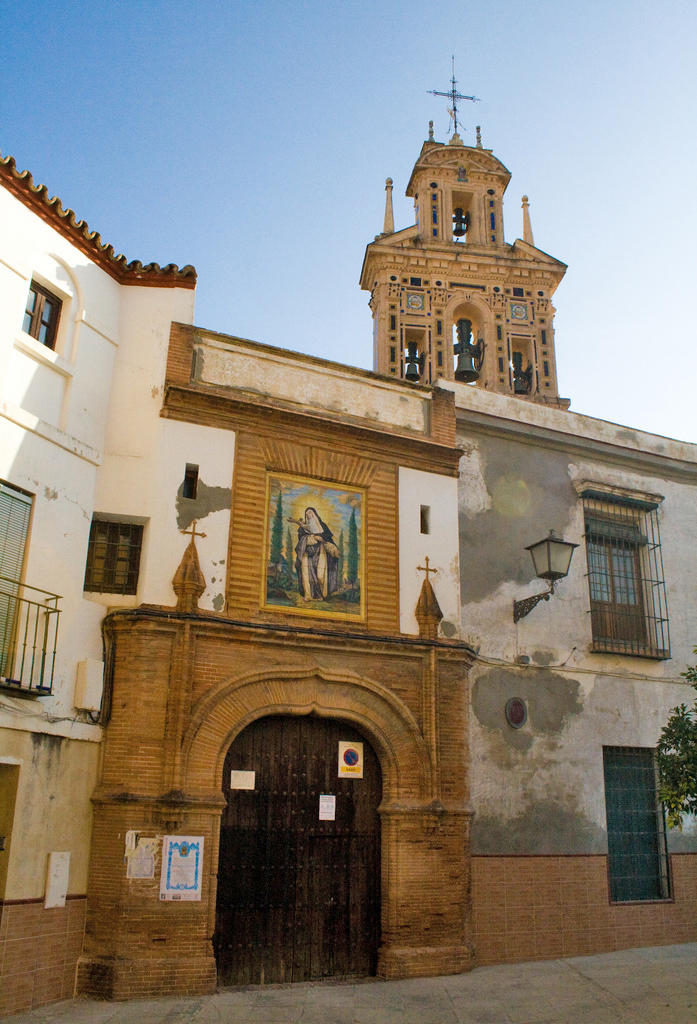
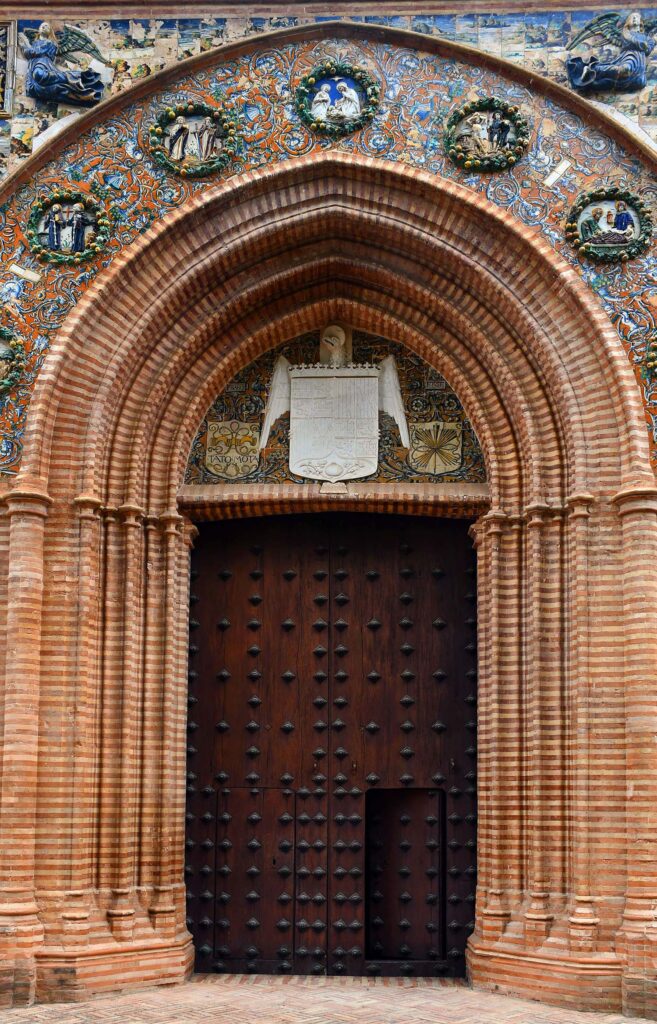
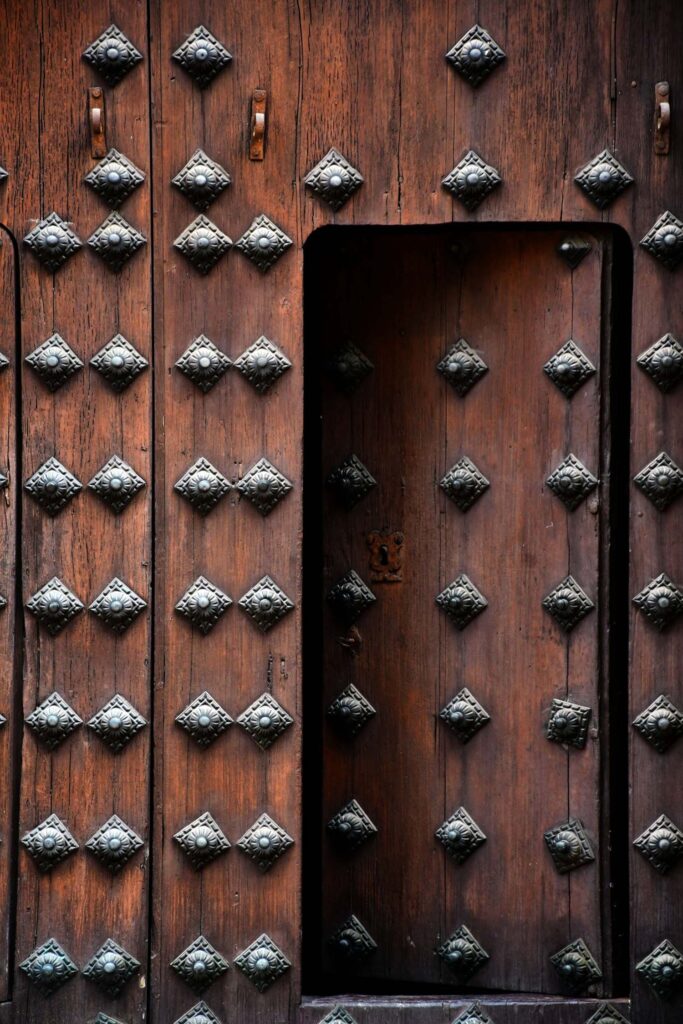
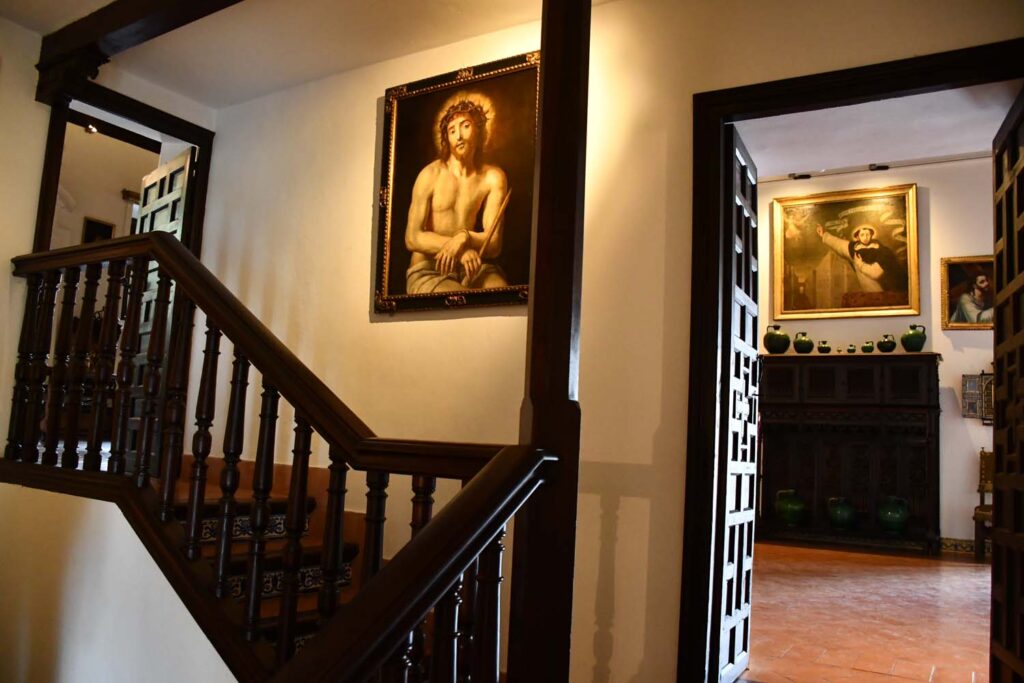
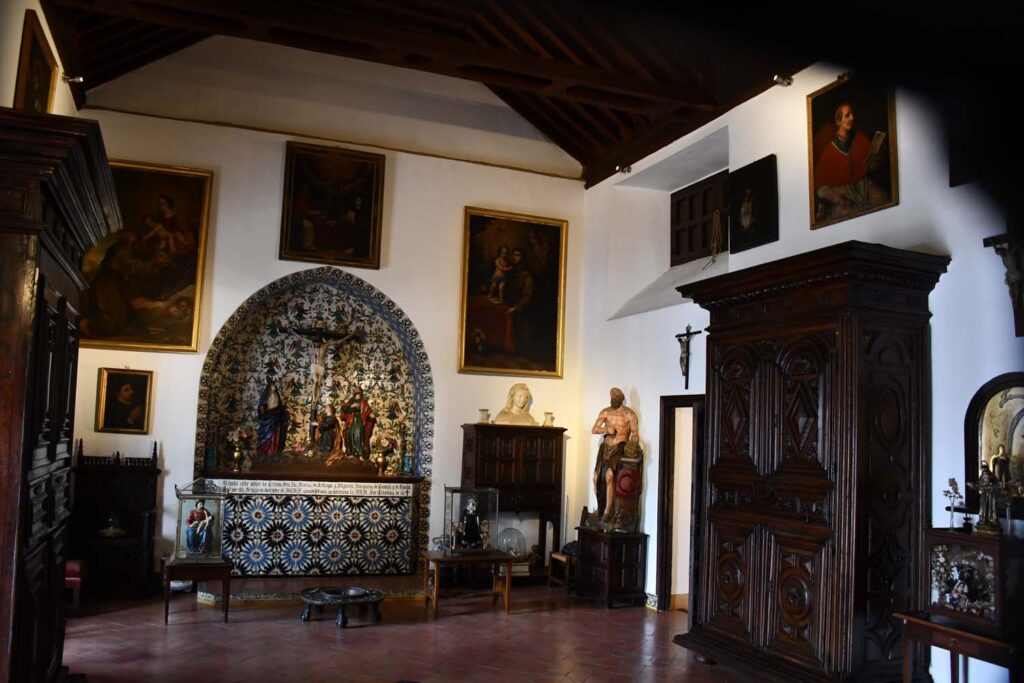
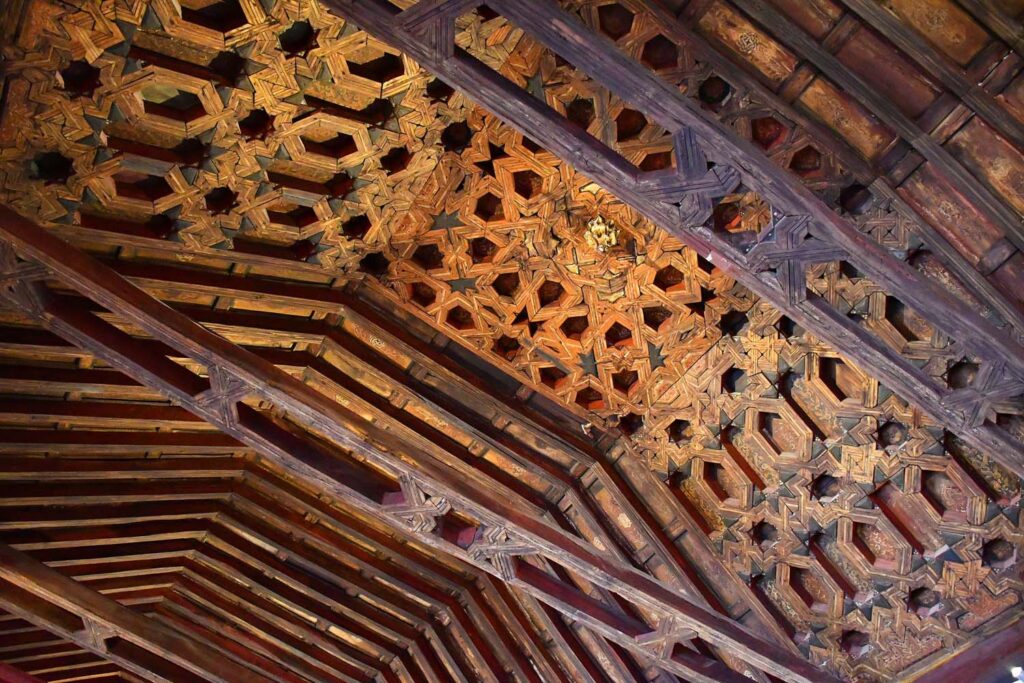
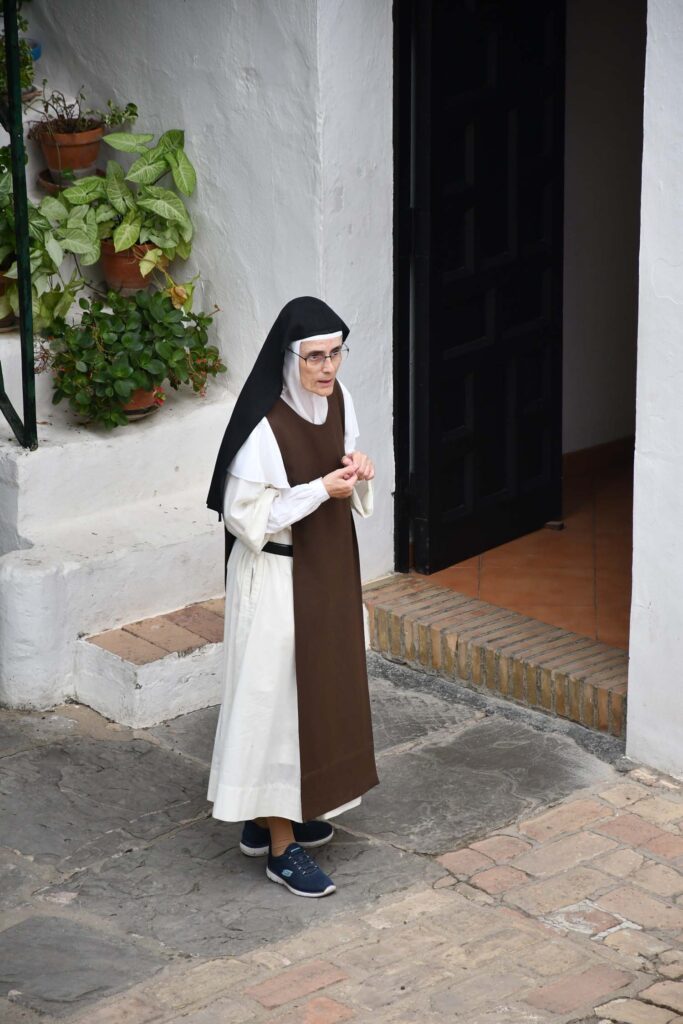
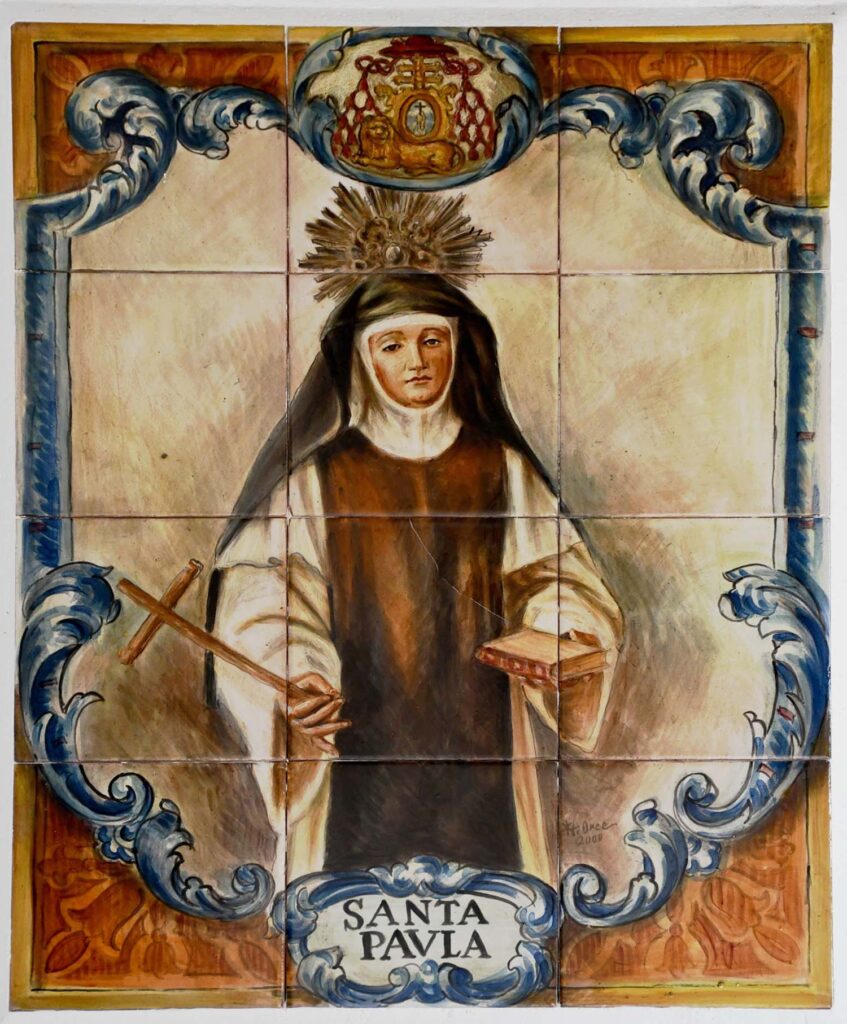
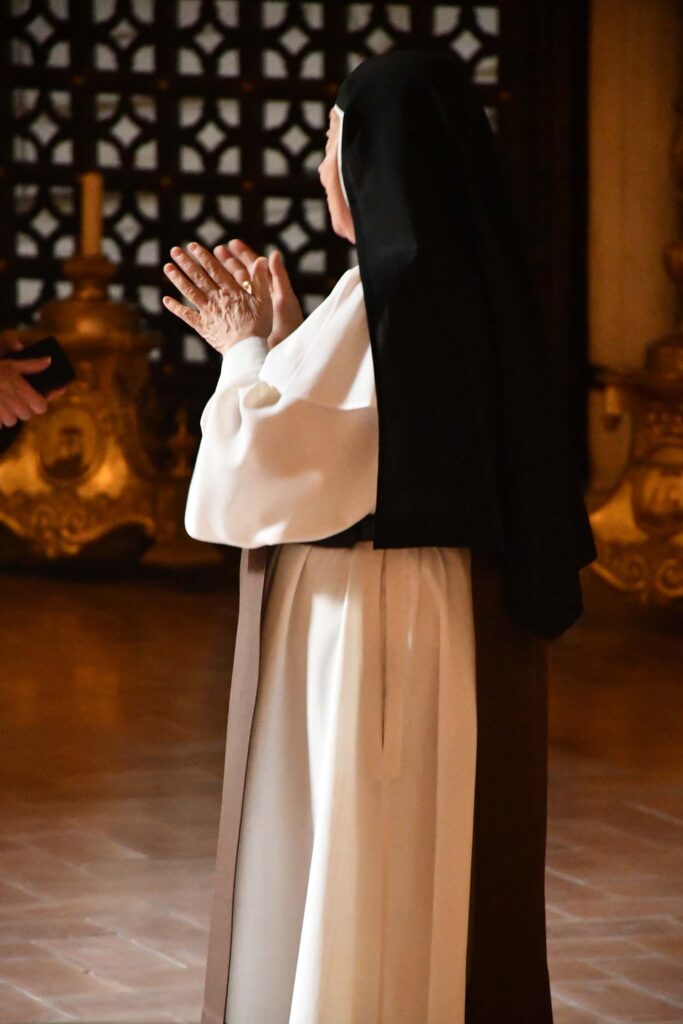
In addition to its architectural and artistic value, the monastery still preserves a living tradition linked to the Hieronymite community. Among the best-known activities of the nuns is the making of artisan jams, sold through the convent turnstile. This practice forms part of the daily continuity of a historic complex that still preserves its religious use, artistic heritage and an essential part of Seville’s convent memory.
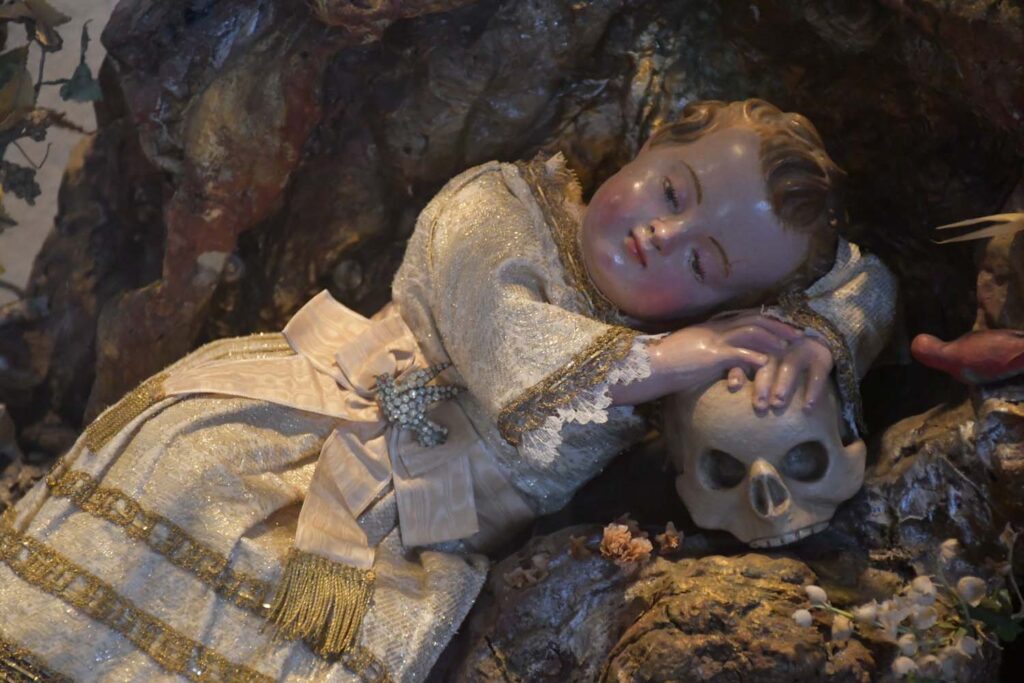
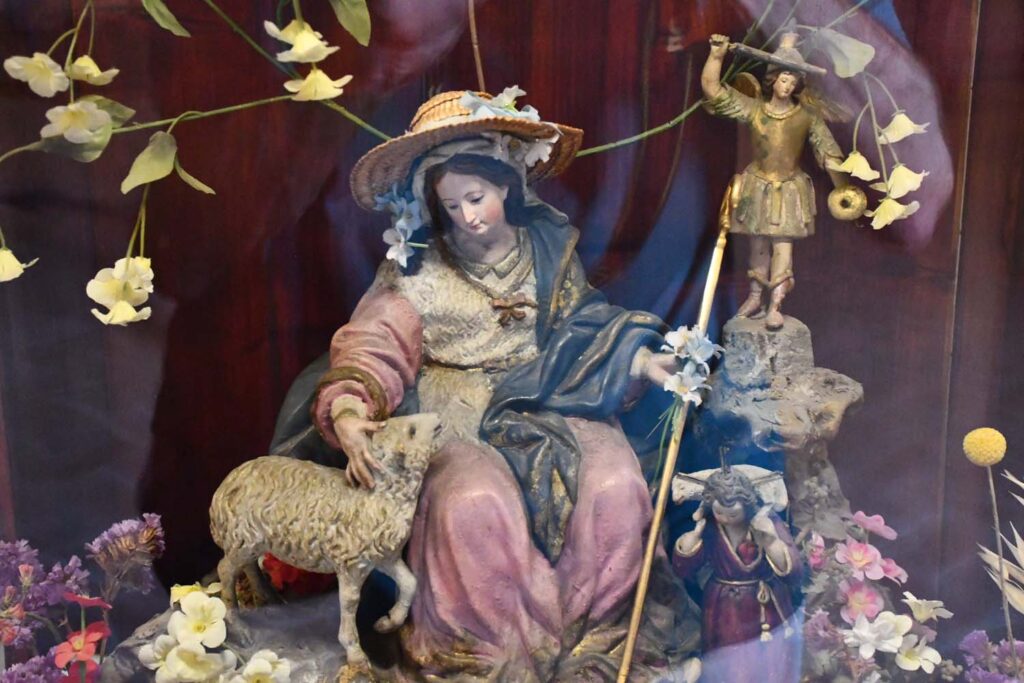
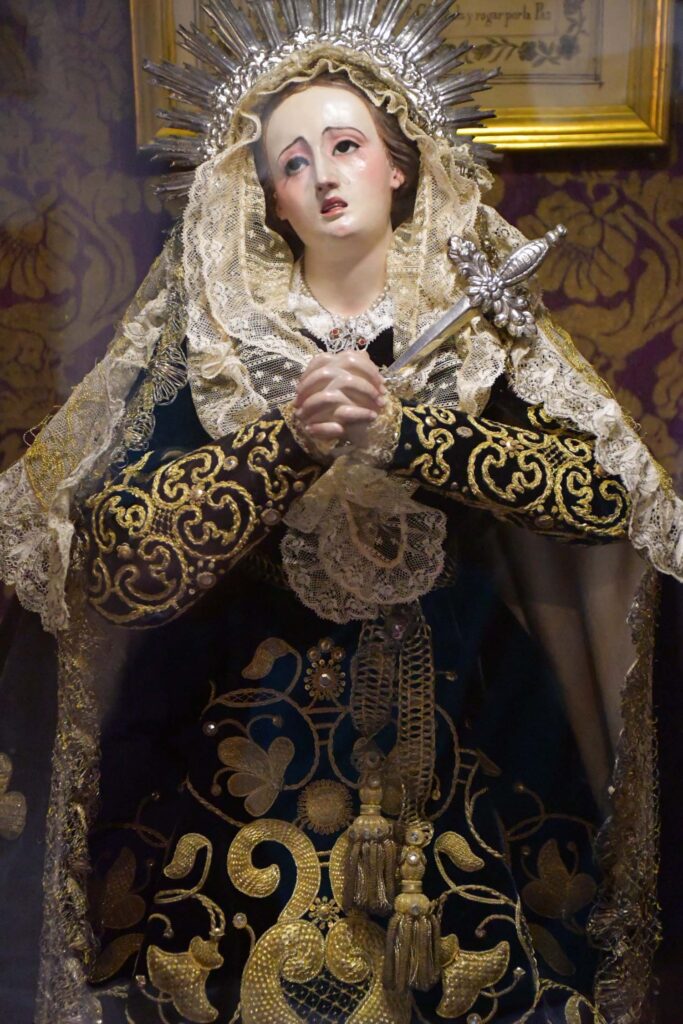
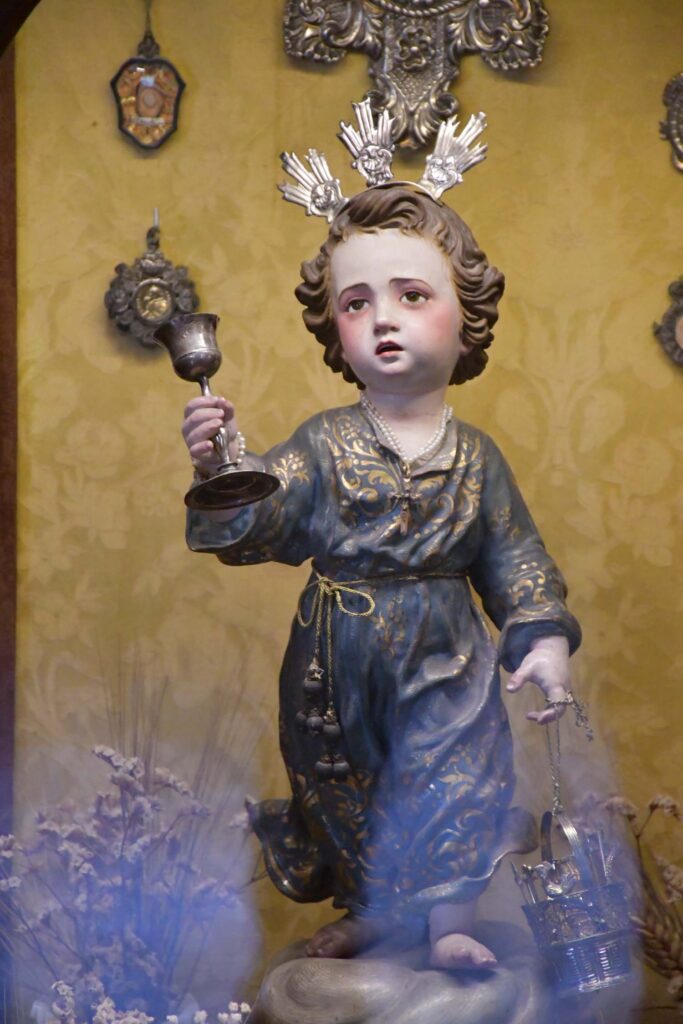
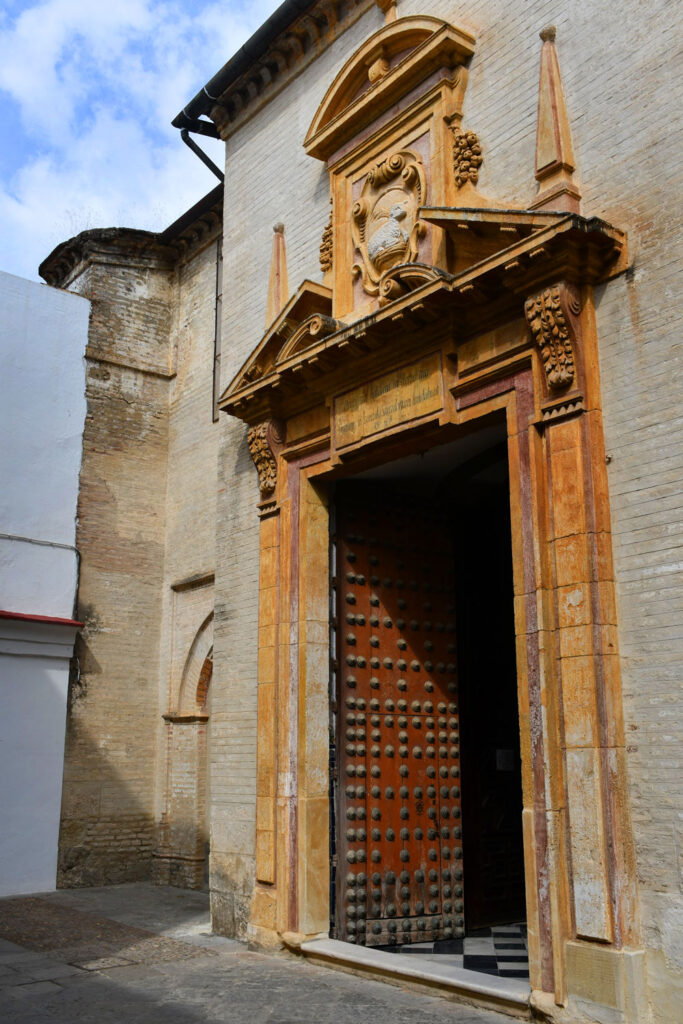
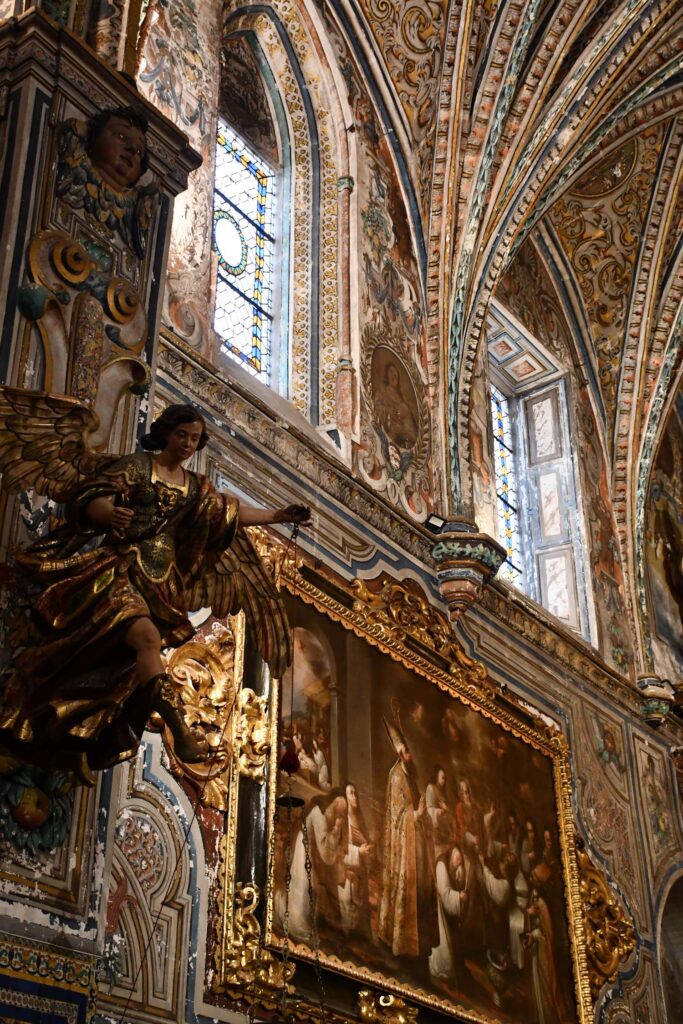
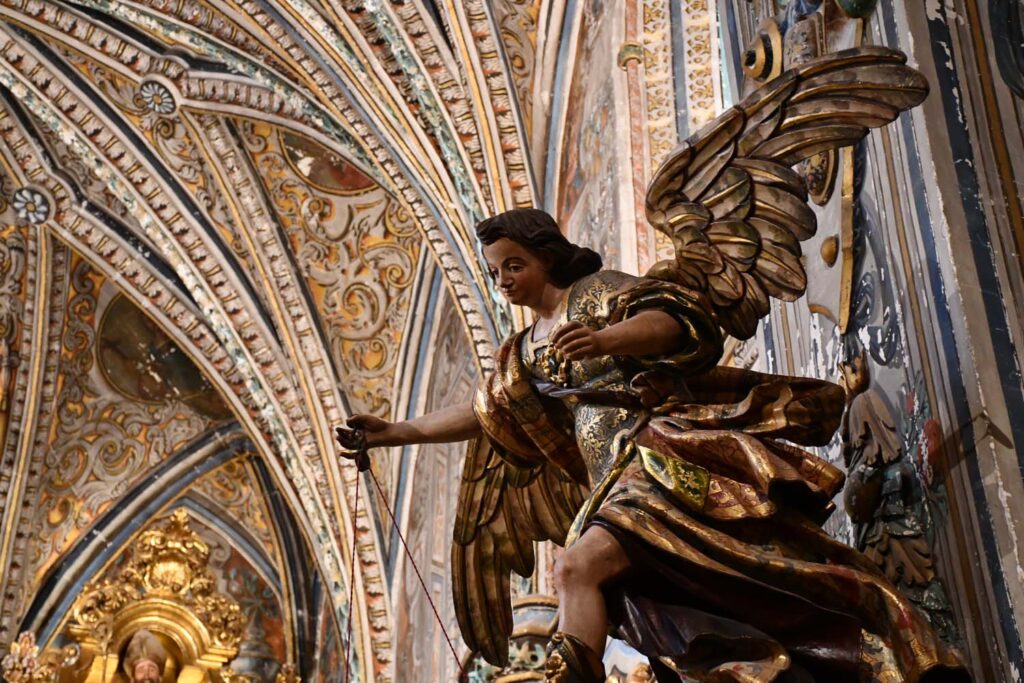
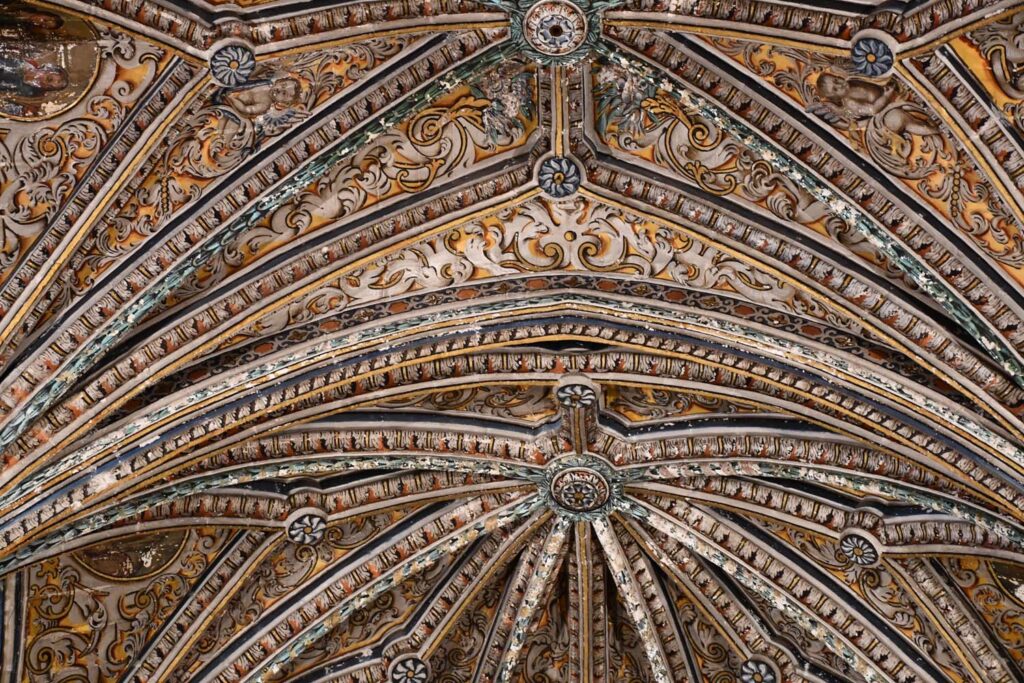
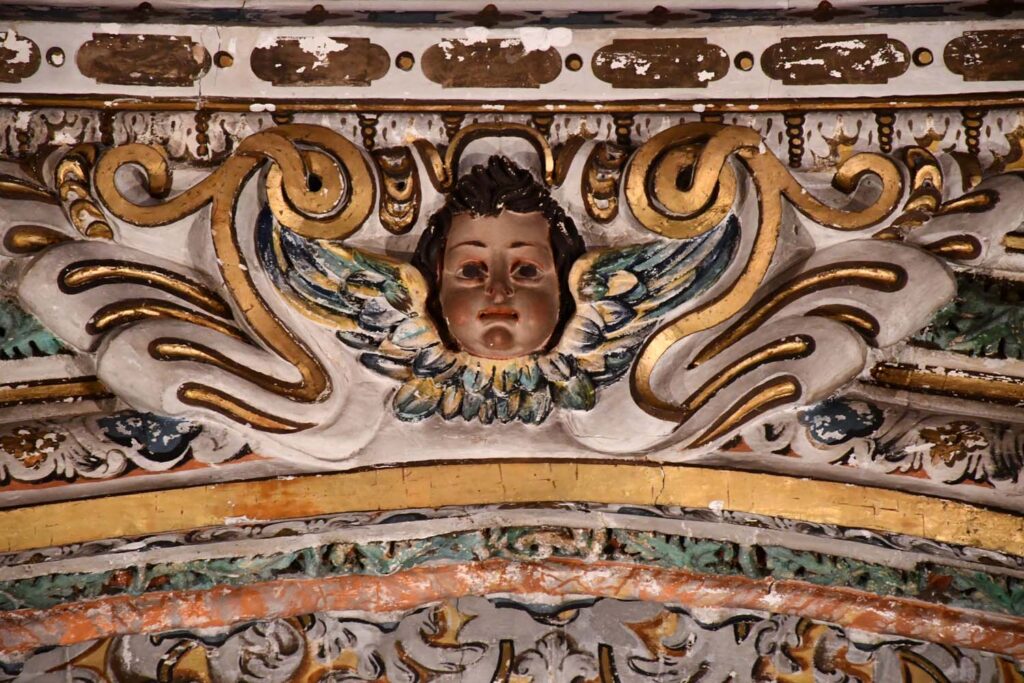
Within the convent is the main church.
LA SETAS DE SEVILLE
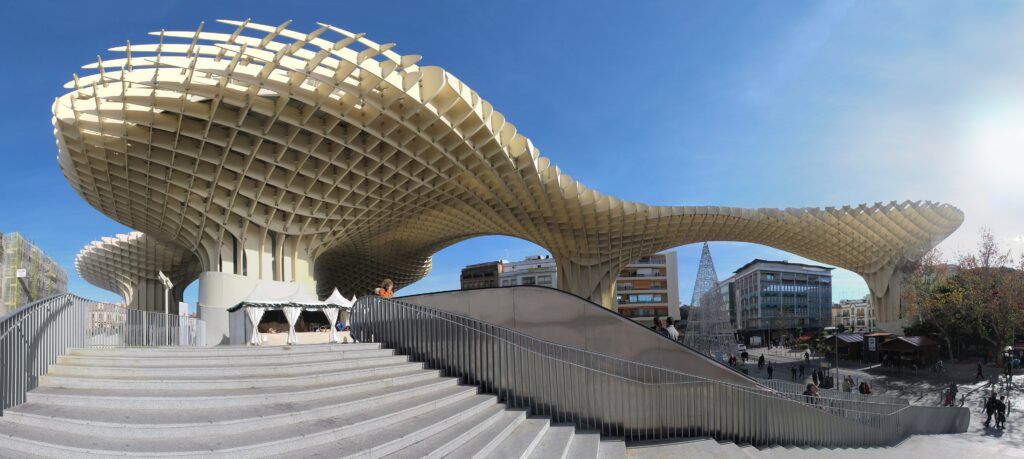
Photo above courtesy wikipedia
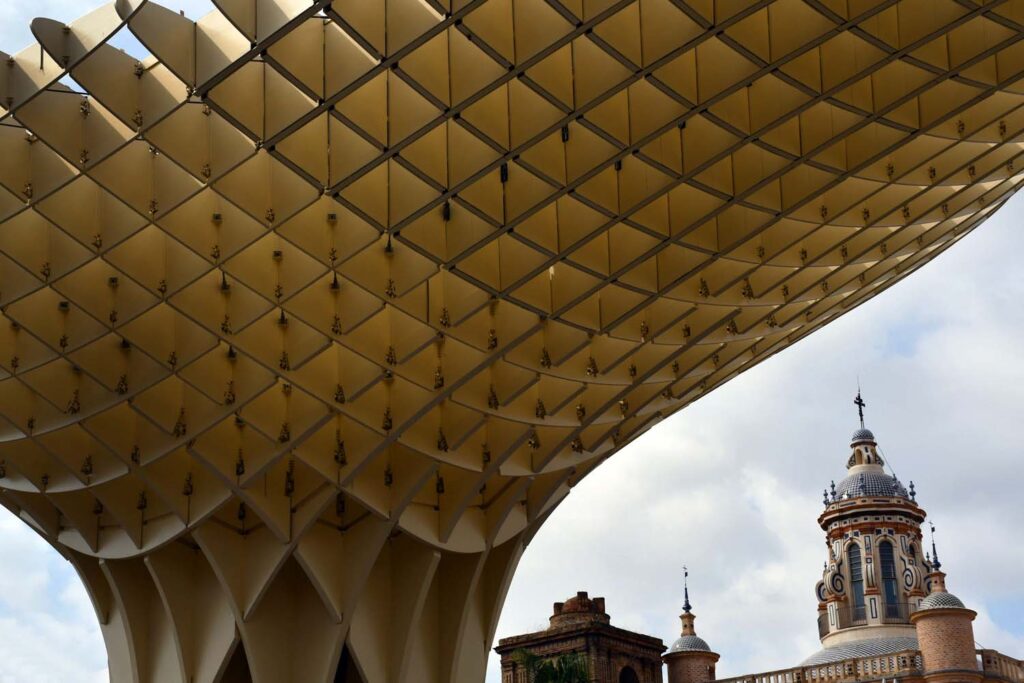
The Setas de Sevilla (“Mushrooms of Seville”) initially titled Metropol Parasol, is a large, predominantly wood structure in the old quarter of Seville, Spain. It accommodates a traditional market, restaurants, a performance square, archaeological museum, a venue for events— and a ‘rooftop’ terrace with a panoramic view of Seville’s old city.
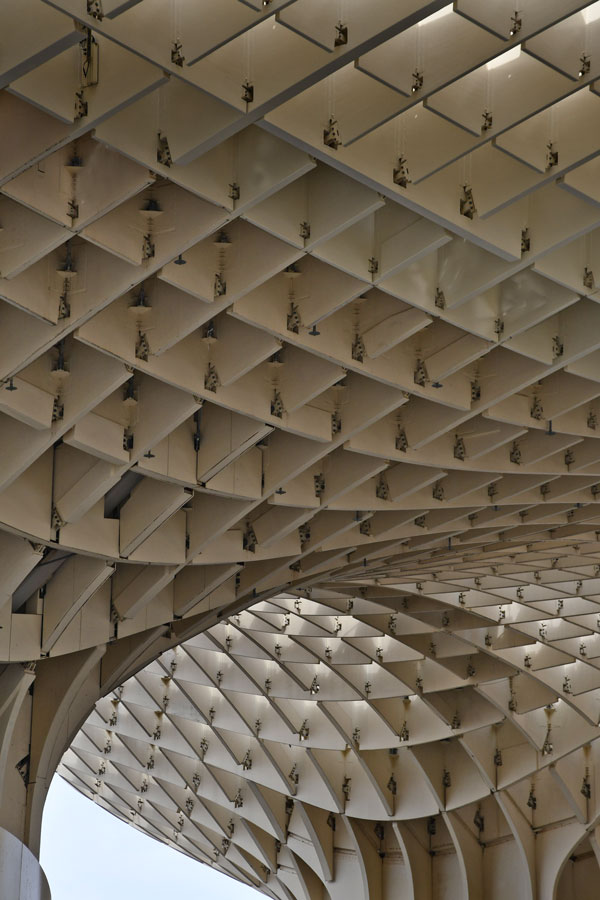
The structure was designed by German architect Jürgen Mayer, was completed in 2011 and marketed as the world’s largest wooden structure. Since their opening, the parasols have become Seville’s third-most visited urban landmark.
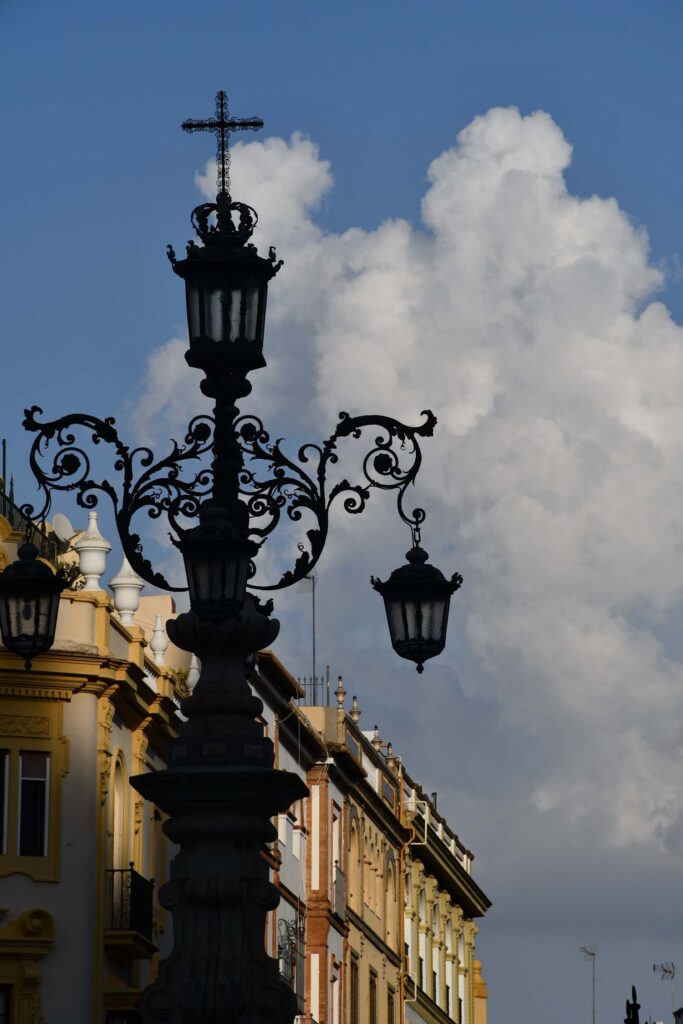
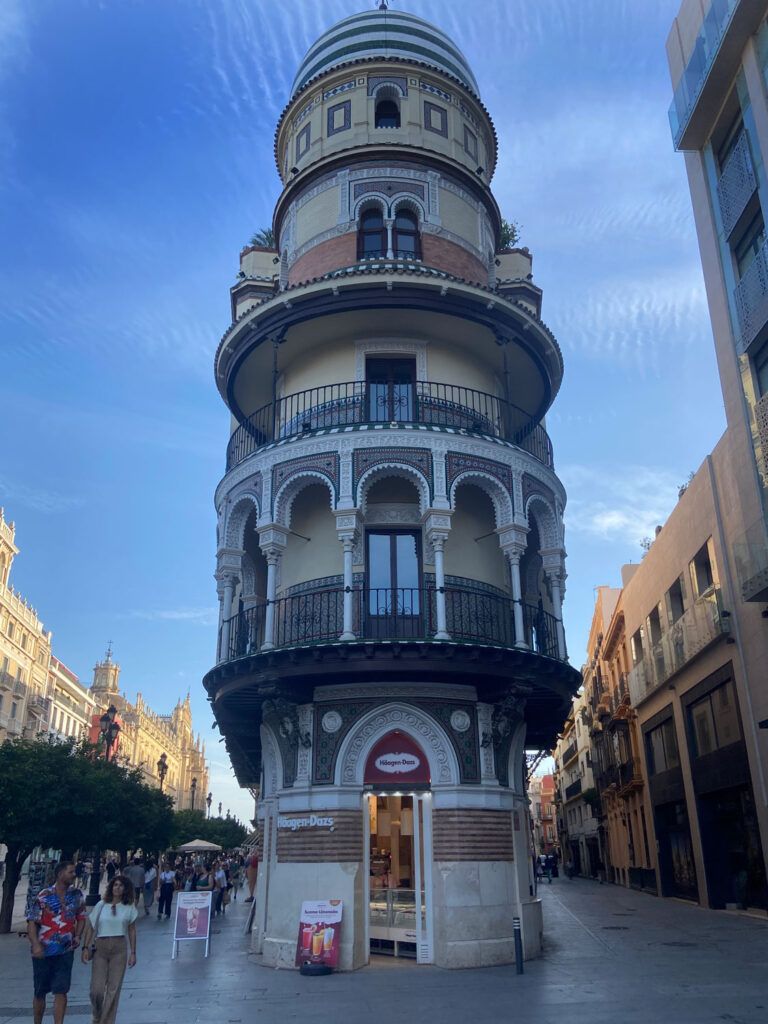
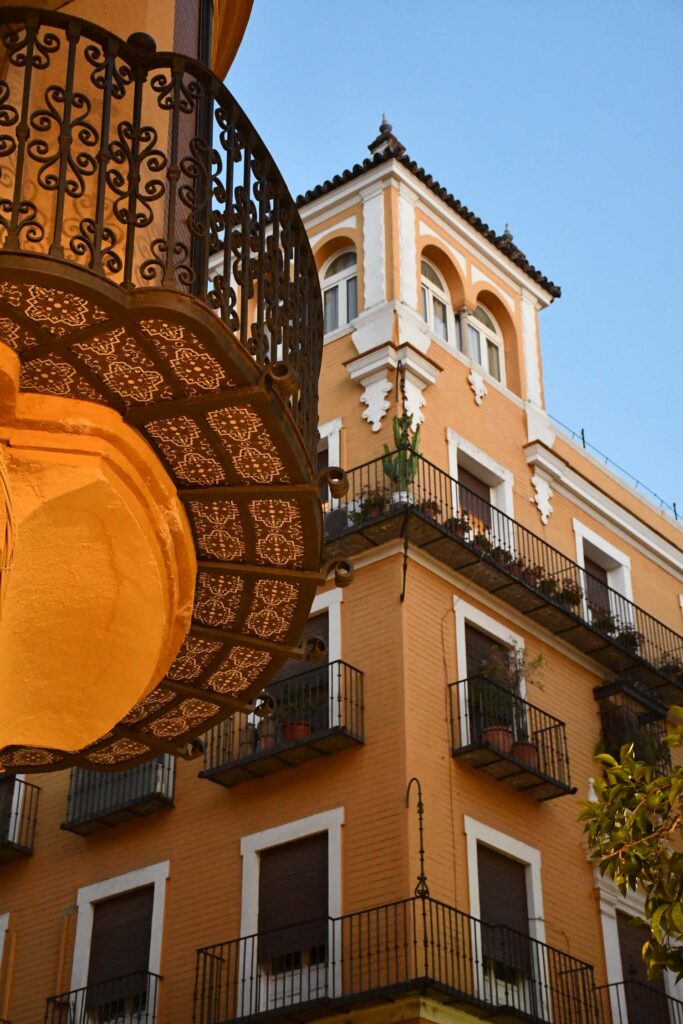
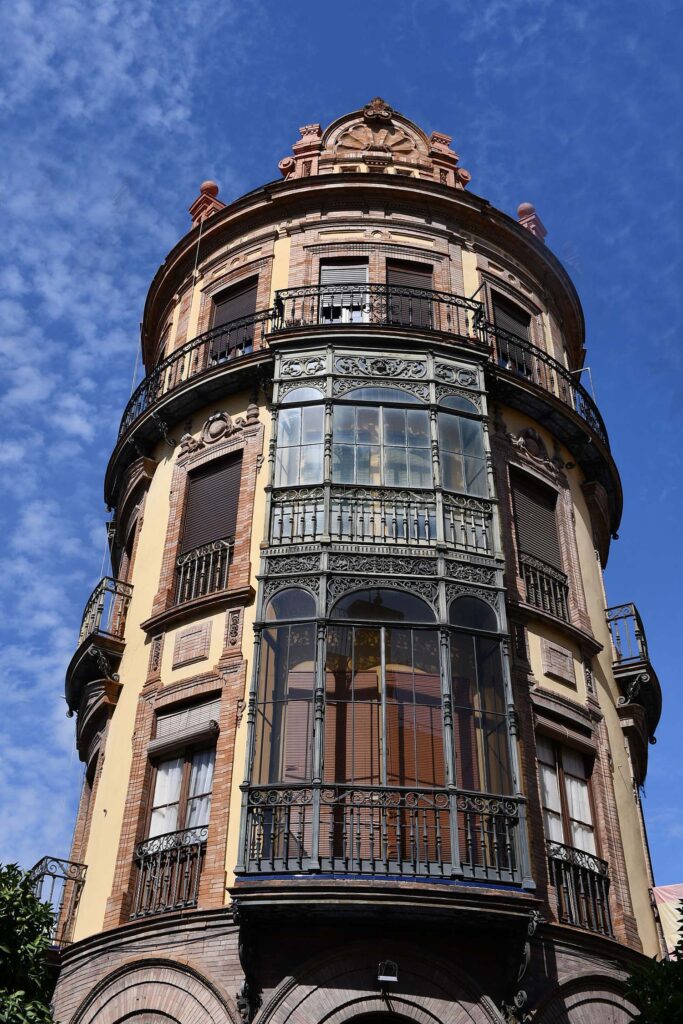
Above one of many beautiful buildings in Seville.
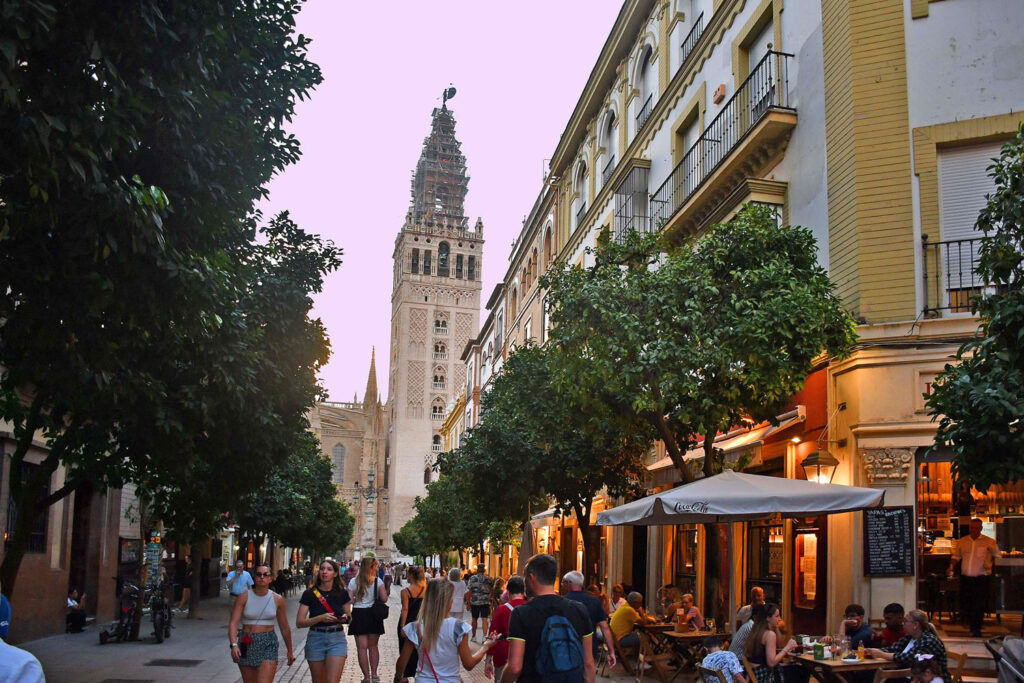
Puccini’s Balcony– where supposedly the composer wrote the Barber of Seville
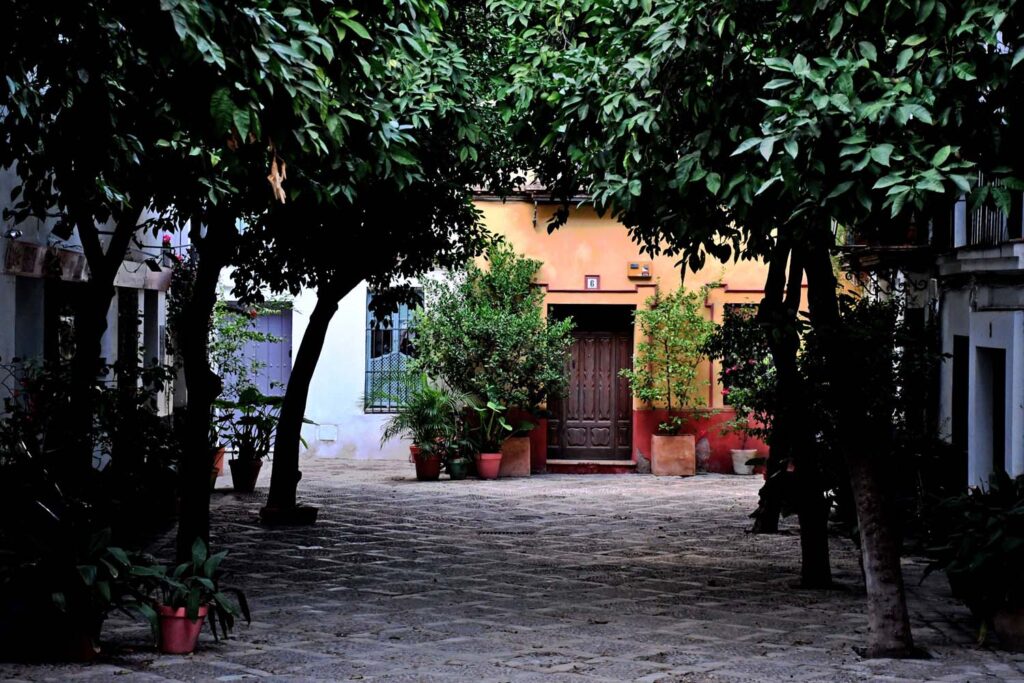
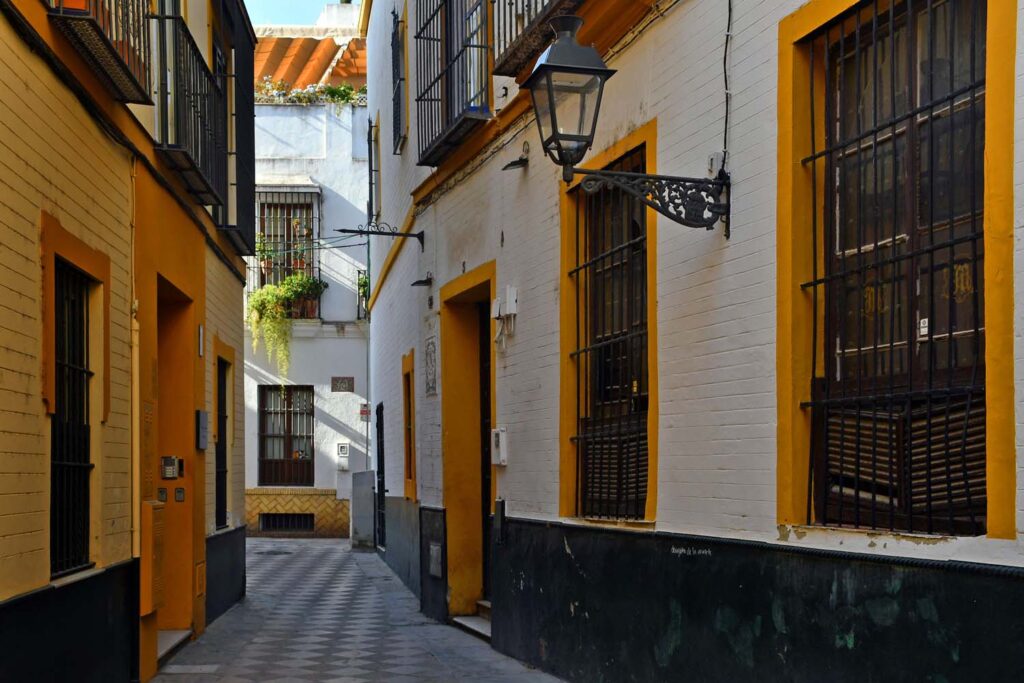
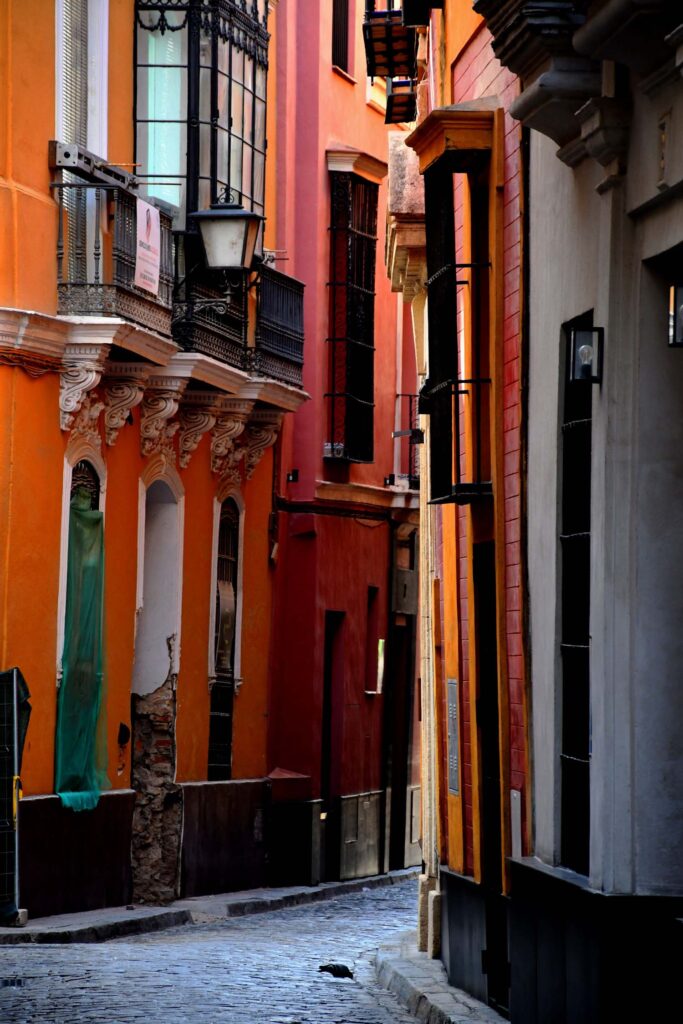
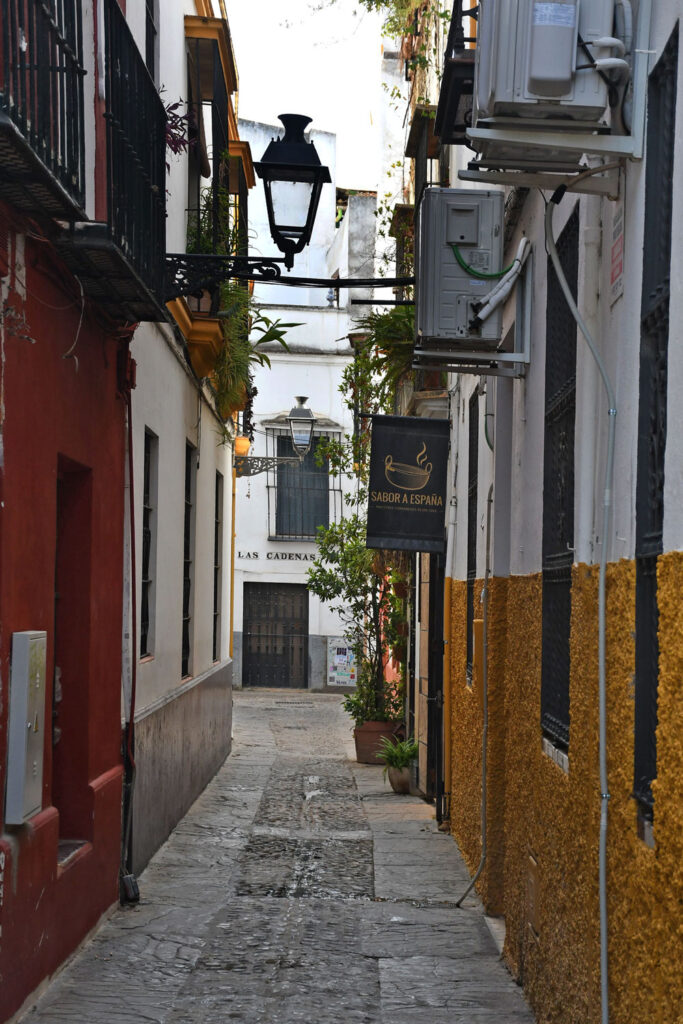
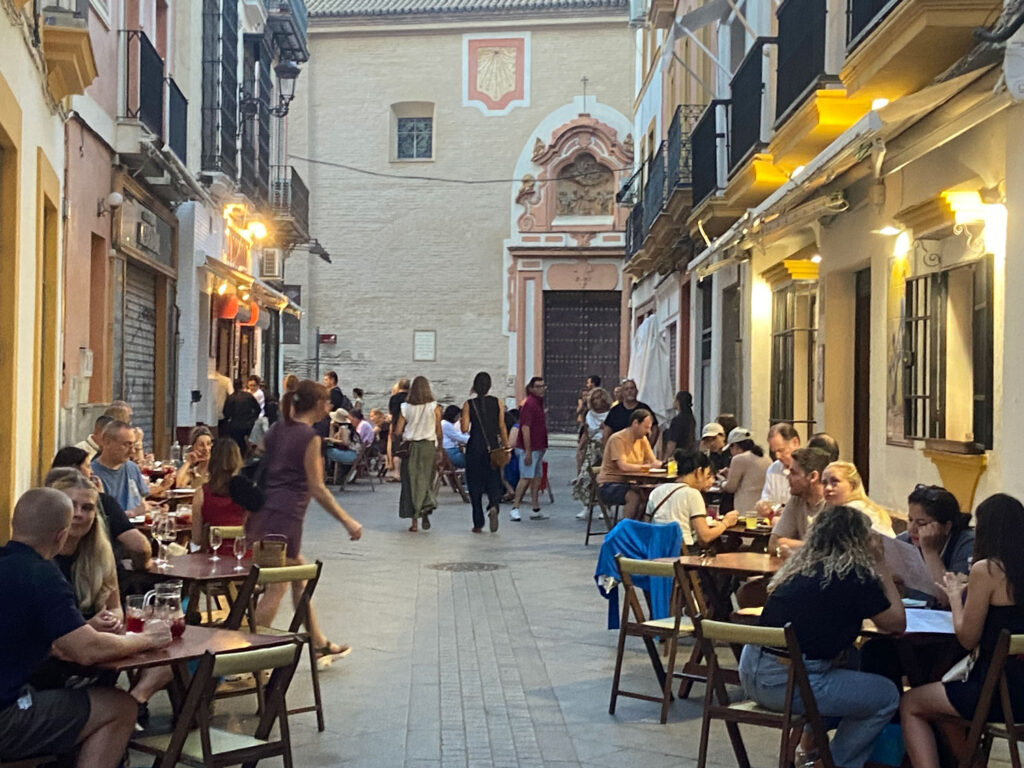
Wandering the narrow lanes of the Jewish Quarter
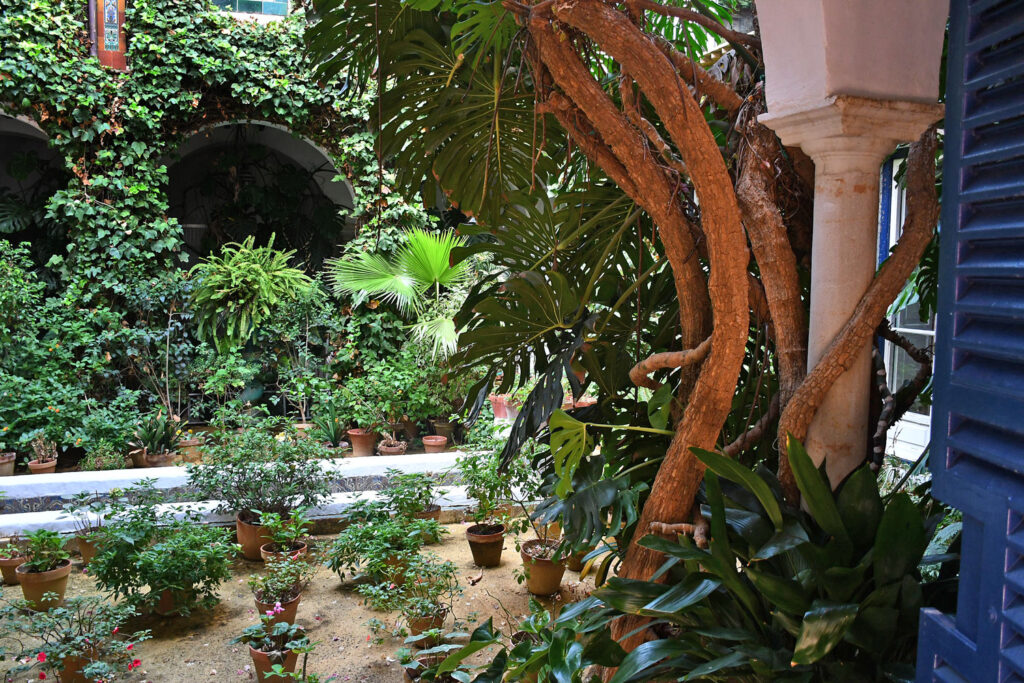
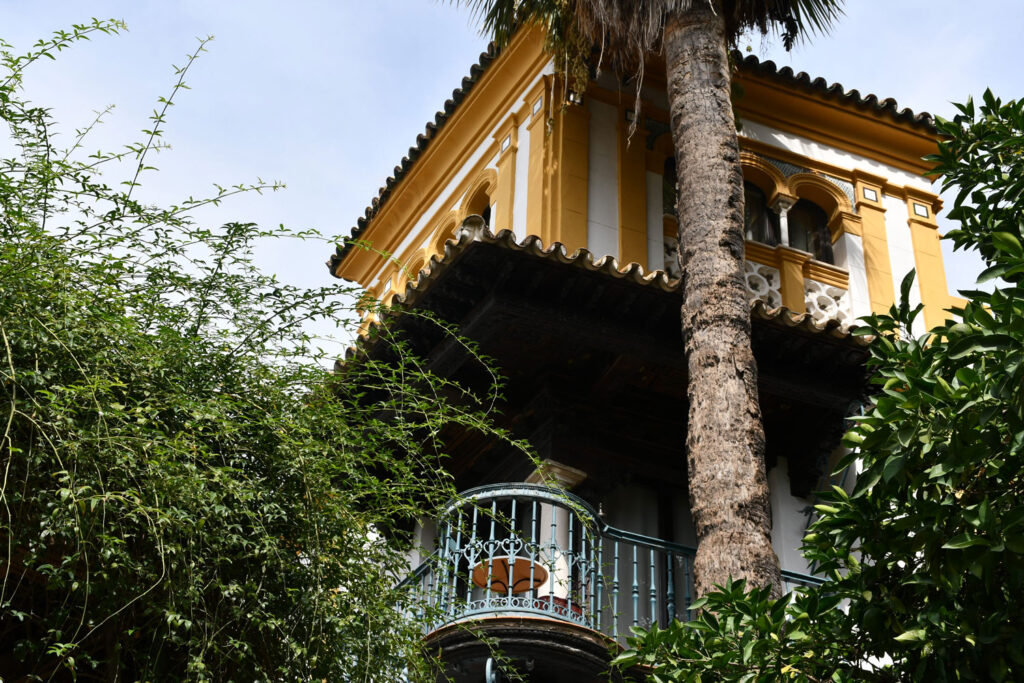
Seen through a gate into a patio